
augustus 18, 2024
Bordeaux Classification Explained: Understanding the 1855 System
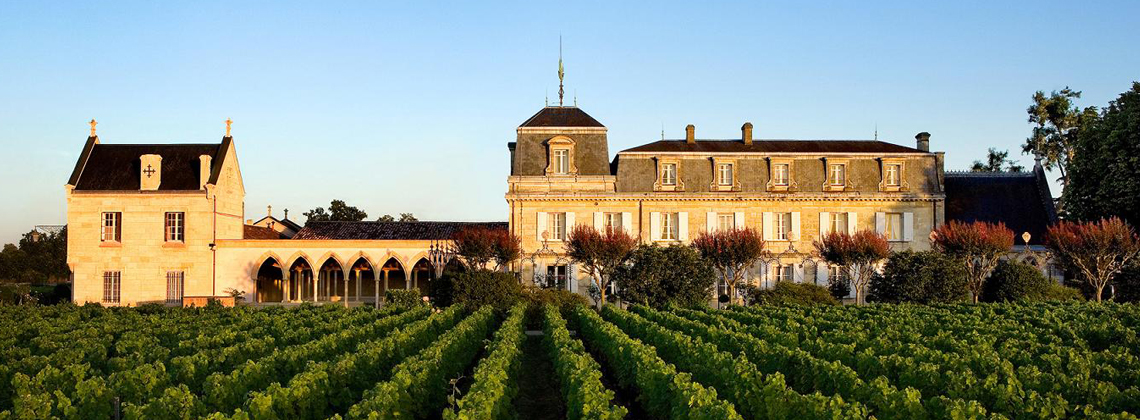
The 1855 Bordeaux Classification remains one of the most important frameworks in fine wine. More than 160 years on, it still shapes pricing, reputation and demand across the region.
For buyers, particularly those exploring En Primeur for beginners, understanding this system provides essential context. It explains why certain wines command higher prices, why some estates are consistently sought after, and how hierarchy continues to influence the market today.
What is the 1855 Bordeaux Classification?
The classification was created for the Paris Exposition Universelle in 1855, commissioned by Emperor Napoleon III. Bordeaux merchants were asked to rank the leading estates based on market price and reputation at the time.
The result was a hierarchy of wines from the Medoc, along with one estate from Graves, ranked into five growths:
- First Growths (Premier Cru)
- Second Growths (Deuxieme Cru)
- Third Growths (Troisieme Cru)
- Fourth Growths (Quatrieme Cru)
- Fifth Growths (Cinquieme Cru)
The system has remained largely unchanged since, which is remarkable given how much the region has evolved.
The First Growths: The pinnacle of Bordeaux
At the top sit the five First Growths, the most prestigious and sought-after wines in Bordeaux:
- Chateau Lafite Rothschild
- Chateau Latour
- Chateau Margaux
- Chateau Haut-Brion
- Chateau Mouton Rothschild (promoted in 1973)
These estates represent the benchmark for quality, longevity and global demand. In strong vintages, their wines are often the most competitive releases during Bordeaux 2025 En Primeur wines, with allocations disappearing quickly.
Why the classification still matters today
Although the classification is historical, it continues to influence:
Pricing
Higher-ranked estates consistently release at higher levels, particularly during En Primeur campaigns.
Demand
First and Second Growths attract global attention, often driving early momentum in the campaign.
Perception of quality
While quality today is not limited to classified estates, the ranking still shapes how wines are viewed in the market.
For buyers navigating How to buy Bordeaux En Primeur, this hierarchy provides a useful starting point when comparing wines across appellations.
Where the classification applies
The 1855 Classification primarily covers the Medoc, including key appellations such as:
It also includes one estate from Graves, now part of Pessac-Leognan wines.
Notably, the Right Bank, including Saint-Emilion Grand Cru wines and Pomerol wines, is not part of this classification. These regions operate under different systems or none at all.
For a full regional overview, see:
The 1855 Bordeaux Classification: Full List
The classification is divided into five growths, ranking estates based on their historical reputation and pricing.
First Growths (Premier Cru)
- Chateau Lafite Rothschild
- Chateau Latour
- Chateau Margaux
- Chateau Haut-Brion
- Chateau Mouton Rothschild (promoted in 1973)
Second Growths (Deuxieme Cru)
- Rauzan-Segla (Margaux)
- Rauzan-Gassies (Margaux)
- Leoville Las Cases (Saint-Julien wines)
- Leoville Poyferre (Saint-Julien)
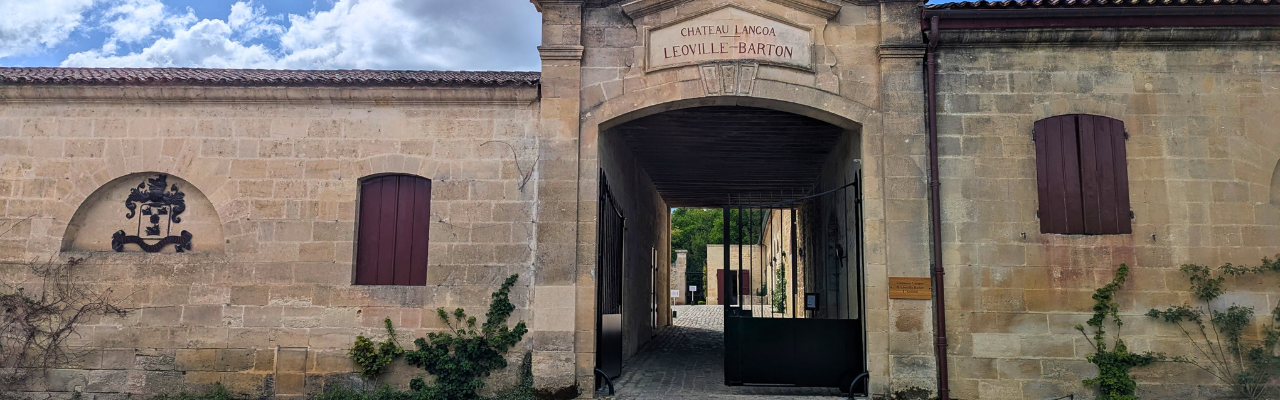
- Leoville Barton (Saint-Julien)
- Durfort-Vivens (Margaux)
- Gruaud Larose (Saint-Julien)
- Lascombes (Margaux)
- Brane-Cantenac (Margaux)
- Pichon Baron (Pauillac wines)
- Pichon Lalande (Pauillac)
- Ducru-Beaucaillou (Saint-Julien)
- Cos d’Estournel (Saint-Estephe wines)
- Montrose (Saint-Estephe)
Third Growths (Troisieme Cru)
- Kirwan (Margaux)
- d’Issan (Margaux)
- Lagrange (Saint-Julien)
- Langoa Barton (Saint-Julien)
- Giscours (Margaux)
- Malescot St Exupery (Margaux)
- Boyd-Cantenac (Margaux)
- Cantenac Brown (Margaux)
- Palmer (Margaux)
- La Lagune (Haut-Medoc)
- Desmirail (Margaux)
- Calon Segur (Saint-Estephe)
Fourth Growths (Quatrieme Cru)
- Saint-Pierre (Saint-Julien)
- Talbot (Saint-Julien)
- Branaire-Ducru (Saint-Julien)
- Duhart-Milon (Pauillac wines)
- Pouget (Margaux)
- La Tour Carnet (Haut-Medoc)
- Beychevelle (Saint-Julien)
- Prieure-Lichine (Margaux)
- Marquis de Terme (Margaux)
- Lafon-Rochet (Saint-Estephe)
Fifth Growths (Cinquieme Cru)
- Pontet-Canet (Pauillac wines)
- Batailley (Pauillac)
- Haut-Batailley (Pauillac)
- Grand-Puy-Lacoste (Pauillac)
- Grand-Puy-Ducasse (Pauillac)
- Lynch-Bages (Pauillac)
- Lynch-Moussas (Pauillac)
- Dauzac (Margaux)
- d’Armailhac (Pauillac)
- du Tertre (Margaux)
- Haut-Bages Liberal (Pauillac)
- Clerc Milon (Pauillac)
- Croizet-Bages (Pauillac)
- Pedesclaux (Pauillac)
Limitations of the 1855 system
The classification is influential, but not perfect.
It reflects the market as it existed in 1855, not today. Since then, many estates have improved significantly, while others have been overtaken in quality by unclassified producers.
As a result:
- Some Fifth Growths now rival higher-ranked estates
- Some unclassified wines outperform classified peers
- Value is often found outside the classification
This is why modern buying decisions should combine classification with current vintage quality and pricing.
How to use the classification when buying wine
The classification is best used as a framework, not a rule.
For collectors
First Growths and top Second Growths offer long-term consistency, global demand and strong ageing potential.
For value
Lower-ranked estates and strong performers outside the classification can offer excellent quality relative to price.
For En Primeur buyers
The classification helps identify where demand will concentrate early in the campaign, particularly for wines from Pauillac and Saint-Julien.
Before committing, it is also worth understanding the full cost structure:
The real cost of buying En Primeur
The classification and En Primeur
The 1855 system plays a significant role in how En Primeur campaigns unfold.
Top classified estates are often released early, setting the tone for the market. Pricing decisions from these chateaux influence perception across the entire vintage.
For buyers, this creates both opportunity and risk:
- Early releases from top estates can offer strong long-term value
- Overpriced releases can limit upside
- The best opportunities are often found slightly below the very top tier
To see how this plays out in practice:
Browse Bordeaux 2025 En Primeur wines
Final thought
The 1855 Bordeaux Classification remains one of the most enduring structures in wine. It continues to shape how Bordeaux is understood, priced and traded.
For buyers, it provides a valuable framework, but not a complete answer. The best decisions come from combining classification, vintage quality and pricing discipline.
If you are exploring Bordeaux today, whether through En Primeur or the physical market, understanding this system is an important first step.