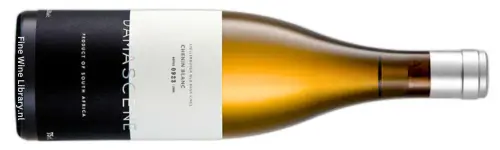
Damascene Stellenbosch Chenin Blanc 2024
Stellenbosch, Coastal Region, South Africa
€42.50 inc BTW per case WA 96
Single Bottle Due In

You have no items in your shopping cart.
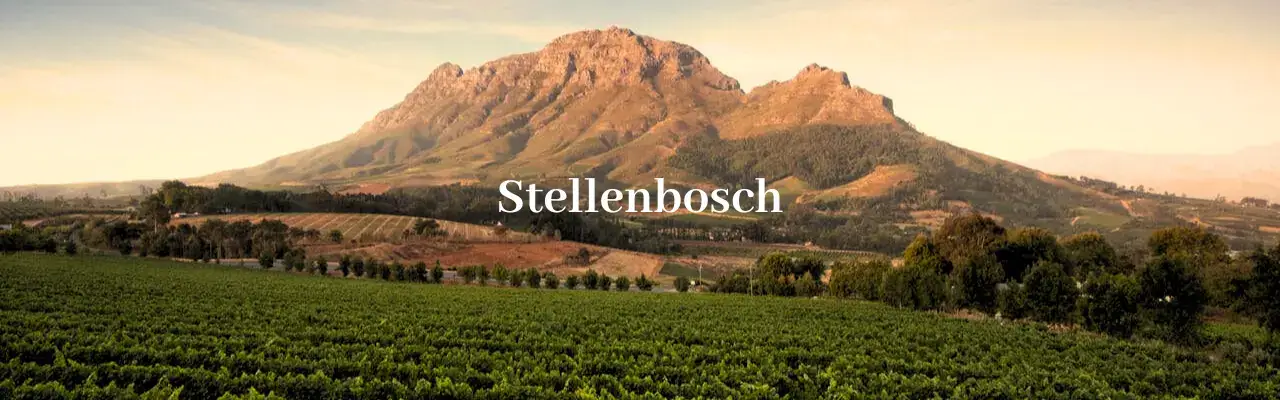
Stellenbosch is the heart of South African wine, the district that has carried the reputation and set the standard for Cape fine wine across more than three centuries of continuous production. Founded in 1679 by Governor Simon van der Stel on the banks of the Eersterivier, it is the second-oldest settlement in South Africa and the location of the oldest continuously farmed wine estates on the continent. Where the Swartland transformed the modern image of Cape wine through revolution, Stellenbosch built it through tradition, patience and an accumulated depth of viticultural knowledge that no other South African wine district can match.
Stellenbosch, Coastal Region, South Africa
Stellenbosch, Coastal Region, South Africa
Stellenbosch, Coastal Region, South Africa
Stellenbosch, Coastal Region, South Africa
Stellenbosch, Coastal Region, South Africa
Stellenbosch, Coastal Region, South Africa
Stellenbosch, Coastal Region, South Africa
Stellenbosch, Coastal Region, South Africa
Stellenbosch, Coastal Region, South Africa

Stellenbosch, Coastal Region, South Africa
Stellenbosch, Coastal Region, South Africa
Stellenbosch, Coastal Region, South Africa
The region is enclosed on three sides by mountain ranges. The Helderberg to the south-east, the Stellenbosch Mountains to the east, the Simonsberg to the north and the Bottelary Hills to the north-west create a natural amphitheatre of protected valleys, diverse aspects and varied soils that produces wines of remarkable stylistic diversity within a single appellation. Cabernet Sauvignon, Syrah, Pinotage, Chenin Blanc and Bordeaux-style blends are all produced at the highest level from estates within the district, each expressing the particular microclimate and geology of its specific hillside.
The finest Stellenbosch estates are not simply the best-known names in South African wine but genuine references in the international fine wine conversation. Meerlust's Rubicon, Kanonkop's Paul Sauer and the Pinotage benchmark, Vergelegen's Reserve blends and Raats Family's Chenin Blanc are wines that belong in any serious collection of South African fine wine.
Stellenbosch is a wine district within the Coastal Region of the Western Cape, South Africa. The district sits approximately 50 kilometres east of Cape Town and is subdivided into several ward appellations including Simonsberg-Stellenbosch, Helderberg, Jonkershoek Valley, Banghoek, Devon Valley and Bottelary, each with distinct soil compositions and microclimates. The climate is Mediterranean, with hot dry summers moderated by the Benguela current's cooling influence and afternoon ocean breezes. The principal varieties for red wine are Cabernet Sauvignon, Merlot, Syrah and Pinotage. Chenin Blanc and Sauvignon Blanc are the most planted whites, with Chardonnay increasingly important at quality estates. Leading producers with Fine Wine Library pages include Meerlust, Kanonkop, Reyneke, Keermont, Lukas van Loggerenberg, Raats Family, Vergelegen, Damascene and Taaibosch.
The history of Stellenbosch is inseparable from the history of South African wine. Simon van der Stel, for whom the town is named, was among the first to recognise the viticultural potential of the Eerste River valley and established the foundations of an industry that would eventually produce wines of international significance from soil first planted in the late seventeenth century.
Meerlust, one of the oldest continuously farmed estates in the country, has been producing wine since 1693. Vergelegen, established in 1700 by Willem Adriaan van der Stel, is another of the district's historic properties whose heritage runs through nearly three and a half centuries of Cape viticultural history. These are not marketing claims but documented facts, and the depth of accumulated knowledge embedded in their soils and their cellars is genuinely irreplaceable.
The district developed through the twentieth century as the source of South Africa's most prestigious wines, with Kanonkop's Paul Sauer establishing what is widely regarded as the Cape's most important Bordeaux-style red blend and Meerlust's Rubicon becoming the reference for what this style of wine could achieve in the South African climate and terroir.
Stellenbosch's exceptional diversity of terroir is its defining strength and the explanation for its capacity to produce wines of such different character from estates that, in geographical terms, are relatively close to one another.
The Simonsberg ward, in the north of the district, sits on granitic soils at higher elevations with cooler temperatures and strong morning sunshine, producing wines of structure, mineral depth and impressive ageing potential. Kanonkop on the lower Simonsberg slopes produces Pinotage and Cabernet Sauvignon of exceptional power and longevity from decomposed granite soils whose character runs through every bottle.
The Helderberg ward, in the south-east and closest to the ocean, benefits from stronger cooling influence from the Benguela current and produces wines of greater aromatic freshness and textural refinement. The combination of clay and sandstone soils in this area suits Bordeaux varieties particularly well, producing red blends of both concentration and elegance.
The Jonkershoek Valley, a narrow mountain valley east of the town, is home to Keermont, whose unique combination of decomposed granite soils, altitude and a microclimate shaped by the narrow valley's particular aspect produces wines of genuine individuality and distinction.
The Bottelary Hills, in the north-west, are known for older vine Chenin Blanc and Cabernet Sauvignon from clay-rich soils that produce wines of a fuller texture and earlier accessibility than the more granite-dominated wards.
Stellenbosch has been the benchmark for South African Cabernet Sauvignon and Bordeaux-style red blends for most of the district's fine wine history. The combination of warm, dry growing conditions and well-drained granitic and clay soils produces Cabernet of impressive structure and tannic architecture that rewards ten or more years of careful cellaring. Kanonkop's Paul Sauer, a blend of Cabernet Sauvignon, Cabernet Franc and Merlot, is the reference wine for this style in South Africa. Meerlust's Rubicon, Vergelegen's Reserve and Taaibosch's Crescendo are further outstanding expressions.
South Africa's own crossing of Pinot Noir and Cinsault, Pinotage has its most important home in Stellenbosch, where Kanonkop produces what is widely regarded as the most significant and age-worthy example of the variety in existence. The Kanonkop Pinotage is the wine that has most convincingly demonstrated what this South African variety is capable of at the highest level of ambition and execution, developing genuine complexity over ten or more years of careful cellaring.
Stellenbosch Syrah has emerged as one of the district's most exciting quality stories, with producers like Keermont, Damascene and Lukas van Loggerenberg producing Syrah of genuine mineral precision and aromatic complexity from the district's varied soils and microclimates. The Keermont Topside Syrah from the Jonkershoek Valley has attracted scores of 97 points from Tim Atkin and is regarded as one of the most individual and compelling Syrah expressions in South Africa.
Chenin Blanc is increasingly recognised as Stellenbosch's most interesting white variety, particularly in the hands of producers who are working with older vine material and a minimal-intervention philosophy. Raats Family, whose Bruwer Raats is South Africa's most celebrated advocate for Chenin Blanc, produces wines of extraordinary depth and mineral complexity from old vine sites within the district. Lukas van Loggerenberg's Kameraderie Chenin Blanc and Damascene's Stellenbosch Chenin Blanc are further outstanding expressions of what the variety can achieve in this district.
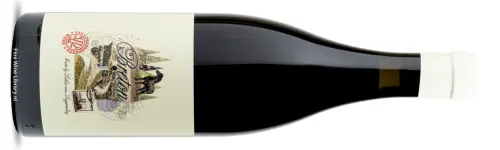
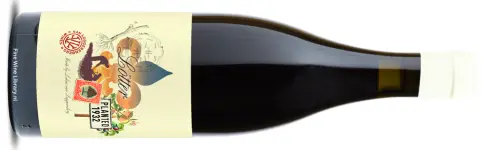
The newer generation of Stellenbosch producers has found particularly compelling results with Cabernet Franc and Cinsault, varieties that express the district's character with a freshness and aromatic precision that complements the more established styles. Lukas van Loggerenberg's Breton Cabernet Franc and Lotter Cinsault are two of the most discussed and critically admired expressions of these varieties from any producer in South Africa.
One of the most historically significant estates in South African wine and a benchmark for Cabernet Sauvignon and Bordeaux-style blends across more than three decades of consistent excellence under winemaker Hannes de Wet. Meerlust was established in 1693 and has been producing the Rubicon blend since 1980, when it was among the first Cape estates to focus on Bordeaux varieties with genuine collector ambition. It remains one of the most reliably excellent and age-worthy producers in Stellenbosch.
The most important red wine estate in Stellenbosch and the producer of two wines that have defined what South African red wine is capable of at its highest level. Paul Sauer, the Bordeaux blend named after the estate's patriarch, is consistently regarded as one of the Cape's most important and collectible wines. The Kanonkop Pinotage is the definitive expression of the variety, demonstrating with each vintage that Pinotage in the right hands and on the right soils produces wine of genuine depth, complexity and longevity.
Established in 1700 and one of the most historically significant wine estates in South Africa, Vergelegen produces Bordeaux-style blends, Sauvignon Blanc and Chardonnay of exceptional quality from estate vineyards that combine three centuries of accumulated viticultural knowledge with a contemporary commitment to quality and precision. The Vergelegen Reserve red and the V (Cabernet Sauvignon-led blend) are the estate's most important and collectible wines.
Bruwer Raats is South Africa's most celebrated and philosophically committed advocate for Chenin Blanc and Cabernet Franc, and the Raats Family wines represent the most important specialist range dedicated to these two varieties in the Cape. The Original Chenin Blanc is one of South Africa's most celebrated white wines, developing remarkable mineral complexity and depth over five to eight years. The Mvemve Raats MR de Compostela, a Cabernet Franc-led blend produced in collaboration with Mzozo Mvemve, is one of the finest and most individual red blends produced in Stellenbosch.
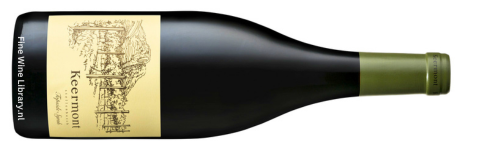
The most individual and site-specific estate in Stellenbosch, farming a unique microclimate in the Jonkershoek Valley with a philosophical commitment to minimal intervention and terroir expression that has produced wines of genuine distinction and increasing international recognition. The Keermont Topside Syrah, scored 97 points by Tim Atkin, is the estate's most celebrated wine and one of the finest Syrahs produced in South Africa.
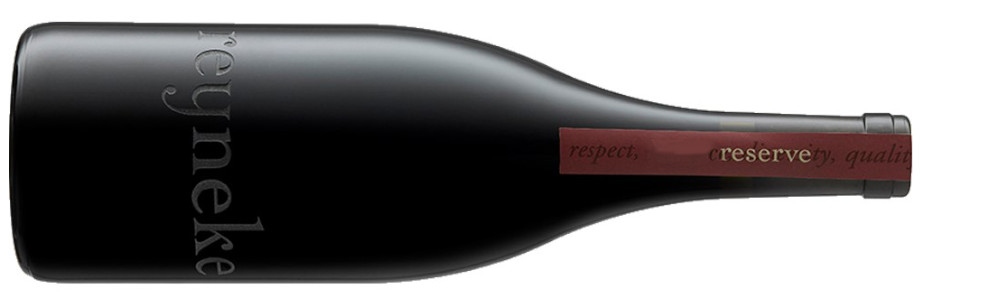
Johan Reyneke's biodynamically farmed estate is one of the most philosophically progressive and consistently excellent producers in Stellenbosch, producing the Cornerstone red blend and a range of varietal wines with a rigour and natural vitality that reflects the estate's commitment to farming the land in a way that improves rather than depletes it. The wines combine impressive depth and structure with an organic freshness that distinguishes them from more conventionally produced Stellenbosch reds.
One of the most compelling and critically discussed younger-generation producers in Stellenbosch, making wines from Cabernet Franc, Cinsault, Chenin Blanc and other varieties with a precision and freshness of approach that has attracted consistent critical recognition from Tim Atkin and others. The Breton Cabernet Franc and Lotter Cinsault are among the most individual and characterful wines produced in the district by any producer of any generation.
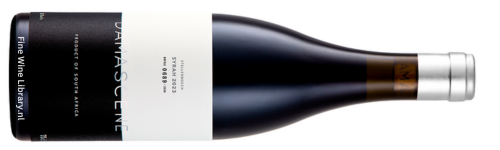
Matthew van Heerden produces Syrah and Chenin Blanc from Stellenbosch, Franschhoek and Swartland with a precision and site-specific focus that has made Damascene one of the most rapidly collected and critically recognised newer estates in South Africa. The Stellenbosch Syrah, scoring 97 and 98 points from Tim Atkin across successive vintages, and the Stellenbosch Chenin Blanc are the essential references within the Stellenbosch range.
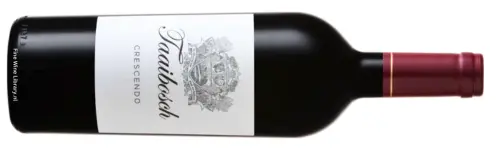
Under the stewardship of the Keet family and a commitment to regenerative farming, Taaibosch produces the Crescendo blend from an historic Stellenbosch estate with an increasingly impressive quality trajectory. The estate's commitment to sustainable practice and minimal intervention has produced wines of genuine depth and character, with James Suckling awarding 97+ points to recent vintages of the Crescendo.
An increasingly celebrated small producer working with Stellenbosch granite terroir to produce Chenin Blanc and Syrah of exceptional mineral precision. The Granietsteen Chenin Blanc and Swanesang Syrah have attracted strong scores from Tim Atkin and represent one of the most compelling quality-per-price propositions in the Stellenbosch fine wine landscape.
The joint venture between Klein Constantia and international investors, producing a Bordeaux-style red blend from Stellenbosch terroir with the resources and ambition of one of the Cape's most celebrated wine families behind it.
Stellenbosch is the anchor of any serious South African wine collection. Its combination of historic estate wines with centuries of accumulated knowledge, newer-generation producers working with exceptional old vine material and minimal intervention philosophy, and the sheer diversity of styles and varieties available within a single appellation make it the most complete and essential South African wine district for the serious collector.
The finest Stellenbosch wines, from Kanonkop Paul Sauer through Meerlust Rubicon to Keermont Topside Syrah, are wines of genuine longevity and complexity that develop over ten or more years into something that belongs in any conversation about world-class fine wine.
All Stellenbosch wines purchased through Fine Wine Library are held In Bond, excise duty free, with guaranteed provenance.
Stellenbosch is South Africa's most historically significant and prestigious wine district, known primarily for Cabernet Sauvignon, Bordeaux-style red blends, Pinotage and increasingly Syrah and Chenin Blanc. It is the source of many of South Africa's most celebrated and collectible wines.
Paul Sauer is the flagship wine of Kanonkop, a Bordeaux-style blend of Cabernet Sauvignon, Cabernet Franc and Merlot named after the estate's patriarch. It is widely regarded as South Africa's most important Bordeaux-style red blend and one of the most age-worthy and collectible wines produced anywhere in the Cape.
Pinotage is a grape variety unique to South Africa, created in 1925 by crossing Pinot Noir and Cinsault. It has historically been associated with Stellenbosch, where Kanonkop produces the definitive and most celebrated expression of the variety.
Rubicon is the flagship wine of Meerlust, a Bordeaux-style blend first produced in 1980 and one of South Africa's most historically significant and consistently excellent red wines. It develops impressive complexity over ten to twenty years of careful cellaring.
Stellenbosch is the more established and historically rooted of the two regions, with a longer tradition of fine wine production and a greater diversity of wine styles. The Swartland is the more radical and philosophically driven, with its reputation built over the past two decades on old vine dry-land viticulture and minimal intervention. Together they represent the two essential pillars of South African fine wine.
Buy Lukas van Loggerenberg Wines