
July 19, 2026
South African Chenin Blanc: The Old Vine Revolution That Changed the Cape
South Africa produces more Chenin Blanc than anywhere else in the world. It is the country's most planted white variety by a significant margin, a fact that reflects a specific history: Chenin Blanc was brought to the Cape in the seventeenth century and planted extensively from the 1950s onward as the co-operative wine system's workhorse variety, valued for its high yields and its reliability rather than for the quality of wine it was capable of producing in the right conditions.
For most of the twentieth century, the Cape's extraordinary old vine Chenin Blanc heritage was used to make large quantities of undistinguished wine. The ancient bush vines planted on ancient soils in the 1950s, 1960s and 1970s were sources of cheap bulk wine, their exceptional natural concentration and mineral complexity unrecognised and unexploited by a system that paid farmers by the ton rather than by the character of the fruit.
The old vine Chenin Blanc revolution that began in the early 2000s and accelerated through the Swartland Revolution of the following decade reversed this completely. A generation of producers recognised what had been hiding in plain sight: that South Africa's ancient Chenin Blanc bush vines, growing without irrigation on soils of extraordinary geological age, were producing fruit of a quality, concentration and mineral complexity that no other wine country could match. The finest old vine South African Chenin Blancs that emerge from this recognition are among the most compelling and individually distinctive white wines produced anywhere in the world.
Chenin Blanc and Old Vines: Why Age Matters
A vine of 50 years old is a fundamentally different organism from a vine of ten. Its root system has spent half a century pushing deeper and deeper into the earth in search of water and minerals, threading through cracks in the rock, accessing geological strata that younger vines simply cannot reach. The fruit it produces is lower in yield, higher in natural concentration and more directly connected to the specific character of the soil it grows in than any younger vine can be.
South Africa's oldest Chenin Blanc bush vines, some of them planted in the 1950s and 1960s on the ancient schist, granite and sandstone soils of the Western Cape, have been doing this for 65 or more years. The wines they produce have a natural balance and a mineral complexity that is genuinely irreplaceable: the combination of vine age and soil character in these specific sites, in this specific climate, produces something that cannot be manufactured through younger vine management, however skilled.
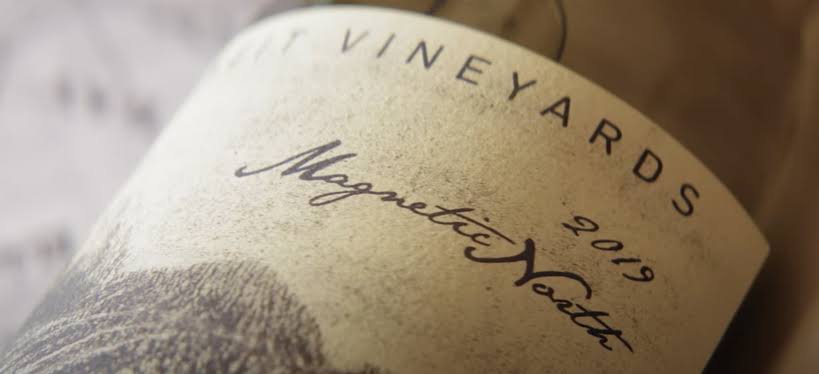
The Old Vine Project, South Africa's formal initiative to identify, certify and promote the preservation of heritage vineyards of 35 years and older, has codified this recognition. Vineyards that qualify receive a Certified Heritage Vineyard designation, and the wines produced from them are among the most consistently compelling and age-worthy Chenin Blancs in South Africa. The producers most associated with old vine Chenin Blanc are also the producers most explicitly connected to the Old Vine Project: Alheit Vineyards, The Sadie Family, Mullineux and David & Nadia are among the project's most prominent advocates.
How Soil Type Shapes South African Chenin Blanc
The most important thing to understand about South African Chenin Blanc at the finest level is that it is not one wine style but several, shaped fundamentally by the geological character of the soil in which the vines grow. The difference between a Chenin Blanc from Malmsbury schist and one from Paardeberg granite is as significant, in sensory terms, as the difference between a Chablis and a Meursault. The grape variety is the same. The climate is broadly similar. The wine is entirely different.
Malmsbury Schist and Shale
The Malmsbury schist that covers much of the Swartland's lower plains is one of the most distinctive and influential soil types in South African viticulture. Dark, fine-grained and water-retentive, it was formed from ancient marine sediments compressed over hundreds of millions of years into a dense, mineral-rich rock that weathers into soils of exceptional character.
Chenin Blanc grown on Malmsbury schist produces wines of a specific aromatic precision and linear mineral character that is immediately recognisable to those who know it. The wines are typically more vertical in structure than granite-derived examples, with a citrus-driven aromatic profile, a taut acidity and a saline, almost stony mineral finish that reflects the ocean floor origins of the soil. They are rarely immediately generous: the schist character takes time to open, and the finest examples reward five to ten years of cellaring before revealing their full complexity.
Mullineux's old vine white wines, sourced in part from schist-bearing Swartland sites, express this geological character with particular clarity, and The Sadie Family's single-vineyard old vine Chenin Blancs from schist sources are among the most mineral and structurally precise white wines produced in the Cape.
Granite
The granite soils of the Paardeberg mountain and the surrounding Swartland and Paarl granite zones produce Chenin Blanc of a different and complementary character. Lighter in colour than schist, faster-draining and naturally warmer due to the rock's capacity to absorb and retain heat, granite soils produce wines of greater textural richness and aromatic breadth.
Paardeberg granite Chenin Blanc tends toward stone fruit aromatics, white peach and pear rather than the citrus-dominant schist expression, with a rounder texture and a more generous mid-palate weight. The mineral character is still present but it manifests differently: not the linear saline precision of schist but a broader, richer mineral depth that fills the palate. The wines are often more accessible in youth than their schist counterparts but develop equal complexity over time.
David & Nadia's Chenin Blanc from the Paardeberg's ancient granite is the most precise and celebrated expression of this terroir type, demonstrating with exceptional clarity what Paardeberg granite communicates to old vine Chenin Blanc in Nadia Sadie's minimally interventionist cellar. The Sadie Family's Palladius, assembled from multiple old vine sources including granite sites, shows the granite contribution in its textural weight and aromatic breadth.
Clay and Decomposed Granite in Stellenbosch
Stellenbosch's Chenin Blanc comes from a different geological context: the clay-rich and decomposed granite soils of the district's varied wards produce wines of greater textural generosity and more immediately expressive fruit character than the more austere schist-derived styles of the Swartland.
Stellenbosch old vine Chenin Blanc tends toward a fuller body, a richer stone fruit character and a more vinous, generous texture. The wines are less aggressively mineral than the finest Swartland expressions but develop genuine complexity over five to eight years and at their finest, in the hands of producers like Raats Family and Lukas van Loggerenberg, they reach a level of depth and individual character that places them firmly alongside the Swartland's best.
Bruwer Raats of Raats Family produces the Original Chenin Blanc and the Dolomite Chenin Blanc from Stellenbosch old vine material, and the Dolomite in particular demonstrates what a specific geological variant, dolomite-rich soil, can add to the Stellenbosch Chenin Blanc character: a more linear mineral precision that echoes schist whilst retaining the textural generosity of the district.
Sandstone and Multi-Terroir Blends
Some of the Cape's most celebrated old vine Chenin Blancs are multi-terroir assemblages that deliberately combine the characters of different geological sources into a single wine of greater complexity than any single site could provide. This is the model that Alheit Vineyards has perfected with Cartology.
Chris Alheit sources from old vine Chenin Blanc sites across the Western Cape, selecting parcels on schist, granite, sandstone and other geological substrates and assembling them with the intention of creating a wine whose complexity of aromatic and textural character reflects the full breadth of old vine Western Cape terroir rather than the singular character of any single site. The sandstone sites, with their intermediate drainage and mineral character, contribute a textural middle ground between the linear schist and the rounder granite, filling the assemblage with a dimensional completeness that single-site wines of any geological type cannot match alone.
The Old Vine Chenin Blanc Producers
The Sadie Family
Eben Sadie's engagement with old vine Chenin Blanc across multiple sites and geological types produces the most comprehensive and ambitious body of old vine white wine in South Africa. Palladius is assembled from multiple old vine sources and shows what carefully managed terroir diversity can produce in a single wine. The single-vineyard old vine range provides the most specific and geological direct expressions of individual sites across the Swartland.
Alheit Vineyards
Chris and Suzaan Alheit's Cartology is the most celebrated multi-terroir old vine Chenin Blanc in South Africa, assembling the characters of multiple ancient sites across the Western Cape into a wine of remarkable complexity and consistency. The single-vineyard range provides site-specific contrasts that illuminate how different geological sources express themselves in Alheit's minimal-intervention cellar.
Mullineux
Andrea Mullineux's old vine white wines express the schist-dominant character of her Swartland sources with precision and transparency, demonstrating what Malmsbury shale does to old vine Chenin Blanc in its most faithful form. The wines are structured, mineral and rewarding for collectors with patience.
David & Nadia
The essential reference for Paardeberg granite Chenin Blanc, demonstrating with exceptional clarity how this geological type communicates its character through old vine material handled with complete minimal intervention. The contrasting geological narrative alongside the schist-based examples from other producers is among the most illuminating expressions of terroir available from any South African white wine.
Raats Family
Bruwer Raats has spent more than two decades making the case for Stellenbosch old vine Chenin Blanc, producing wines of a different character to the Swartland expressions but of comparable quality and collector interest. The Dolomite adds a geological specificity to the Stellenbosch argument that complements the broader district-level character of the Original.
Lukas van Loggerenberg
The Kameraderie Chenin Blanc sources Paarl old vine material to produce a wine of generous texture and aromatic complexity that complements the more austere mineral styles of the Swartland, demonstrating the range of character that old vine Chenin Blanc expresses across the Western Cape's varied geological landscape.
Style and Ageing
The finest South African old vine Chenin Blancs are among the most age-worthy white wines produced in the southern hemisphere. The combination of high natural acidity (preserved by the cool dry-land growing conditions and often amplified by the schist and granite soils' mineral freshness), natural sugar concentration from low-yielding old vines, and the absence of heavy oak or manipulative winemaking produces wines with the structural integrity to develop over ten or more years.
The developmental arc of old vine Swartland Chenin Blanc is particularly impressive. The finest schist-based examples from The Sadie Family and Mullineux open gradually over five to eight years, revealing layers of mineral complexity and aromatic depth that are not accessible in youth. Cartology from Alheit Vineyards develops comparably. The Stellenbosch examples from Raats Family reward five to eight years. The common thread is that patience is consistently rewarded.
The Collector Opportunity
South African old vine Chenin Blanc is the most compelling value proposition in southern hemisphere white wine. Wines that carry 100-point or 99-point scores from Tim Atkin, that develop over ten or more years in the cellar, and that come from terroir that is genuinely irreplaceable in geological terms, are available at prices that bear no relationship to their objective quality relative to comparably scored wines from any other producing country.
This will not remain the case indefinitely. The collector community that understands what the finest South African Chenin Blancs represent is growing, and the pricing will follow the recognition as it always does. The window of genuinely compelling value is open now.
Explore South African Chenin Blanc
Buy Lukas van Loggerenberg Wines