
July 8, 2024
Krug Grande Cuvée Editions Explained
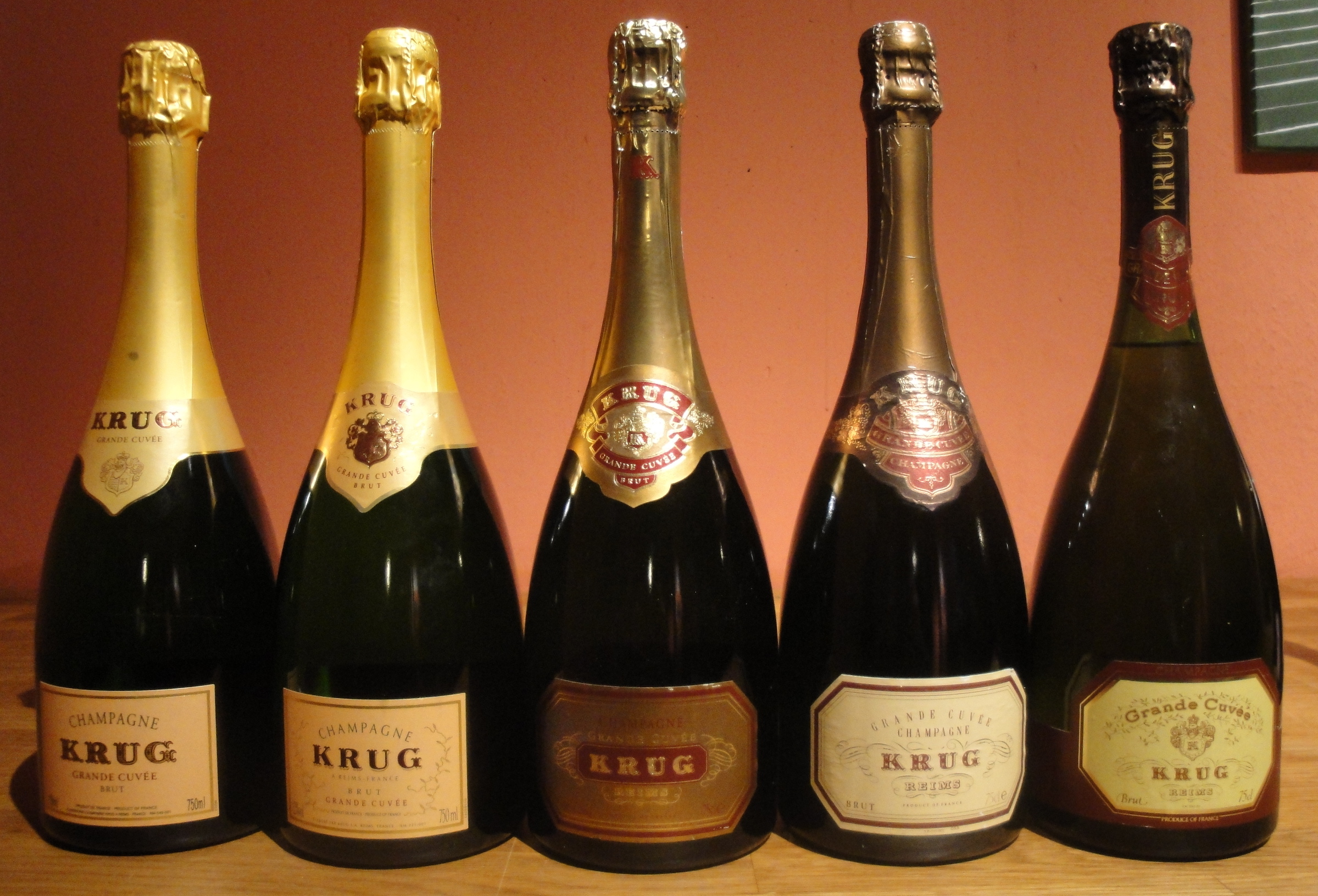
Category: Champagne, Krug
Krug Grande Cuvée is one of the most distinctive and celebrated Champagnes in the world — a non-vintage blend of extraordinary complexity, produced each year from a mosaic of wines drawn from multiple vintages and vineyard sources. Understanding it fully means understanding the Editions system: the numbered releases that give each blend its identity and allow collectors and enthusiasts to trace exactly what they are drinking and why it tastes the way it does.
What Is Krug Grande Cuvée?
Krug Grande Cuvée is not a vintage Champagne. Rather than drawing on a single harvest, it is built from a blend of more than 120 wines sourced from over ten different vintages — the current year's harvest combined with an extensive library of reserve wines aged in Krug's cellars. The goal is not to reflect a particular year but to recreate, as consistently as possible, what Krug considers the most generous and complete expression of Champagne. Every bottle spends a minimum of six years in the cellar before release, during which the diverse components integrate and develop into a wine of remarkable depth and harmony.
The result is a Champagne that tastes unmistakably of Krug rather than of any single place or season — rich, complex, and multi-layered, with the characteristic toasted nut, brioche, dried fruit, and mineral qualities that define the house style.
The Editions System: What It Is and Why It Matters
In 2016, Krug introduced the Editions numbering system to the Grande Cuvée — a change that added a new layer of transparency and individuality to each release. Every blend is now numbered sequentially from Edition 163, which marked the 163rd blend since Krug's founding in 1843. The number on the label tells you precisely which iteration of the Grande Cuvée you are drinking.
Each Edition is centred on a base vintage — the most recent harvest year that anchors the blend — but the Edition number is a more accurate identifier than the base vintage alone, since the character of a given blend depends as much on the reserve wines selected as on the year's harvest. Two Editions built on the same base vintage could taste quite different depending on which reserves were chosen and in what proportions.
Beyond transparency, the Editions system celebrates the individuality of each blend. Rather than presenting every release as an interchangeable expression of a consistent house style, Krug acknowledges that each Edition is a distinct creation — shaped by the specific conditions of its base year and the precise selection of wines made by the Chef de Cave. The unique ID code on each bottle connects to a detailed breakdown of the blend, including the vintages represented and their proportions, accessible via the Krug iD digital platform.
How Editions Differ From One Another
The character of each Edition reflects both the base vintage and the reserve wines selected to complement it. A base year with high natural acidity and vibrant fruit will produce an Edition with freshness and tension at its core. A warmer, richer base year will anchor a blend with more weight and generosity. In both cases the reserve wines moderate, deepen, and add complexity — but the direction of each Edition is set by its foundation.
The 169ème Édition, based on the 2013 harvest, drew on wines from eleven different years with the oldest dating to 2000. It is characterised by brightness and expressiveness — citrus, pear, and honey in a frame of classic Krug complexity. The 170ème Édition, based on 2014, incorporated twelve vintages and shows a more delicate, finely balanced profile: apple, almond, and brioche with a fresher, more precise structure. These are not marginal differences. They represent meaningfully distinct expressions of the same fundamental Champagne philosophy applied to different raw materials.
Why the Editions System Is Significant for Collectors
For those who follow Krug closely, the Editions system provides a framework for understanding and comparing bottles over time. It enables vertical tastings — comparing successive Editions side by side — in a way that is impossible with most non-vintage Champagnes, where the blend changes invisibly from release to release. It also creates a historical record of the house's blending decisions across decades, with each numbered Edition a documented chapter in Krug's ongoing story.
For newcomers to Krug, the Editions system is simply a useful guide. Rather than selecting a bottle based on vintage year alone — which is often a less reliable indicator of style for a multi-vintage blend — the Edition number points directly to the specific expression in the bottle. Combined with tasting notes from the house and from critics, it allows informed purchasing decisions that would otherwise require considerable experience.
For a full overview of the different wines in the Krug range — Grande Cuvée, Rosé, Vintage, and the single-vineyard expressions — see our article on Krug Clos du Mesnil and Clos d'Ambonnay.
Buy Krug
View all available Krug wines and vintages →
Related Reading
Krug Clos du Mesnil vs Clos d'Ambonnay | Krug food pairing guide | Your Krug questions answered | Browse all Champagne