
February 28, 2024
Can Champagne Go Bad? Shelf Life & Signs to Watch For
Published: February 28, 2024 | Category: Champagne, Fine Wine
The short answer is yes — but the nuances matter considerably, and they vary depending on whether the bottle is opened or sealed, and on the style and age of the Champagne in question. Champagne that has genuinely gone bad is not unpleasant in the way that spoiled food is, but it has moved past the point where it offers the experience it was designed to deliver. Understanding how that happens — and how to prevent it — is straightforward.
Unopened Champagne: How Long Does It Last?
An unopened bottle of Champagne stored correctly can last considerably longer than most people assume. Non-vintage Champagne — the blended style produced without a specific harvest year — typically holds well for three to four years from disgorgement, though the precise window depends on the house and the quality of the base wines. Vintage Champagne, made from a single exceptional year, can age gracefully for ten years or more from release, and the finest examples from the greatest houses — Dom Pérignon, Krug, and others — can develop and improve for twenty or thirty years in properly managed storage conditions.
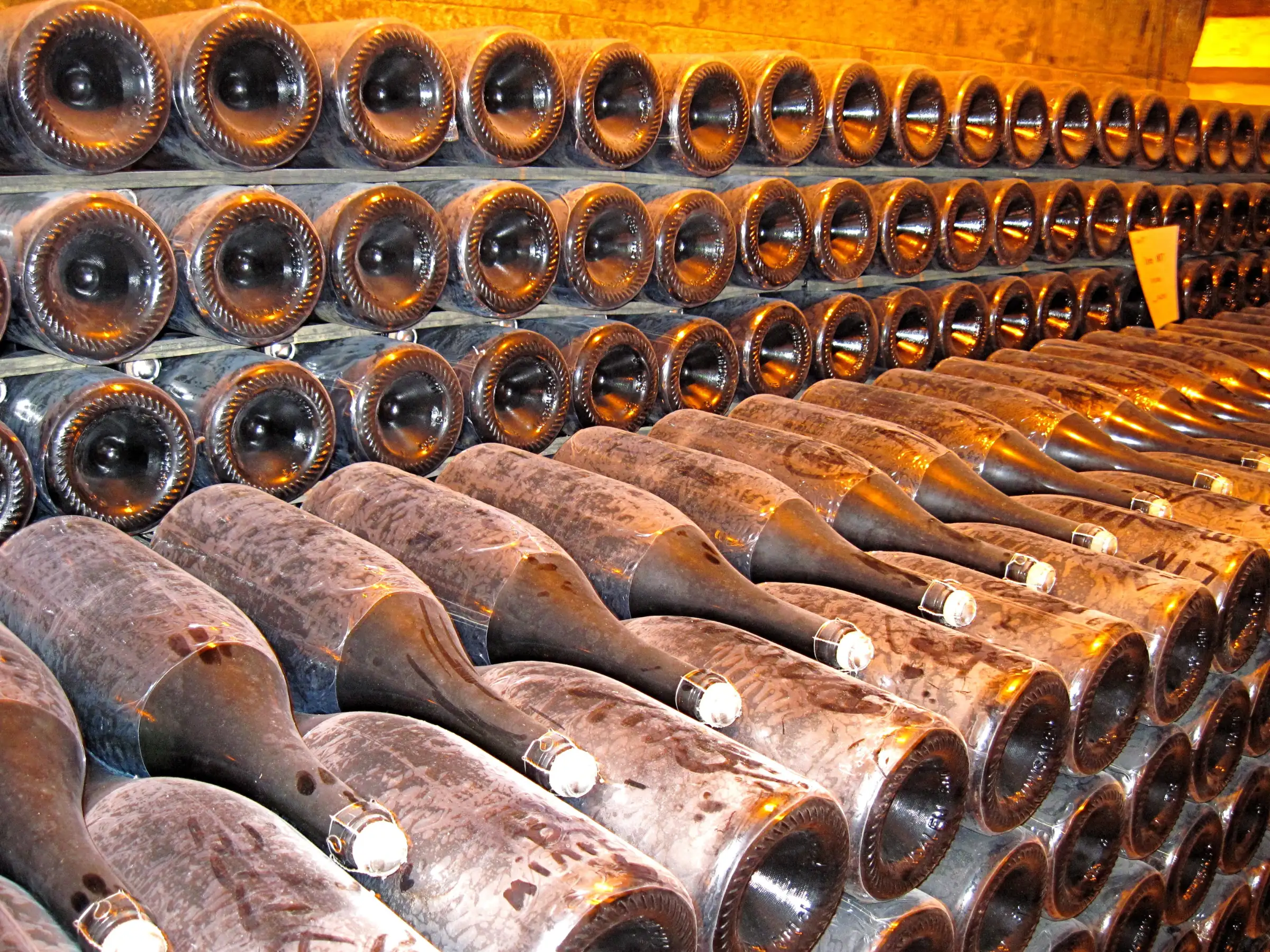
The critical variable is storage. Champagne held at a consistent, cool temperature (10–15°C), away from light, at appropriate humidity (around 70%), and stored horizontally to keep the cork moist, will age in the controlled way it was designed to. Champagne stored in a warm kitchen, subject to temperature swings, or stood upright for months will degrade more quickly and arrive at your glass in poorer condition than the label deserved.
For more on how to store Champagne correctly for long-term cellaring, see our guides on Dom Pérignon storage and wine storage service.
Opened Champagne: How Long Does It Last?
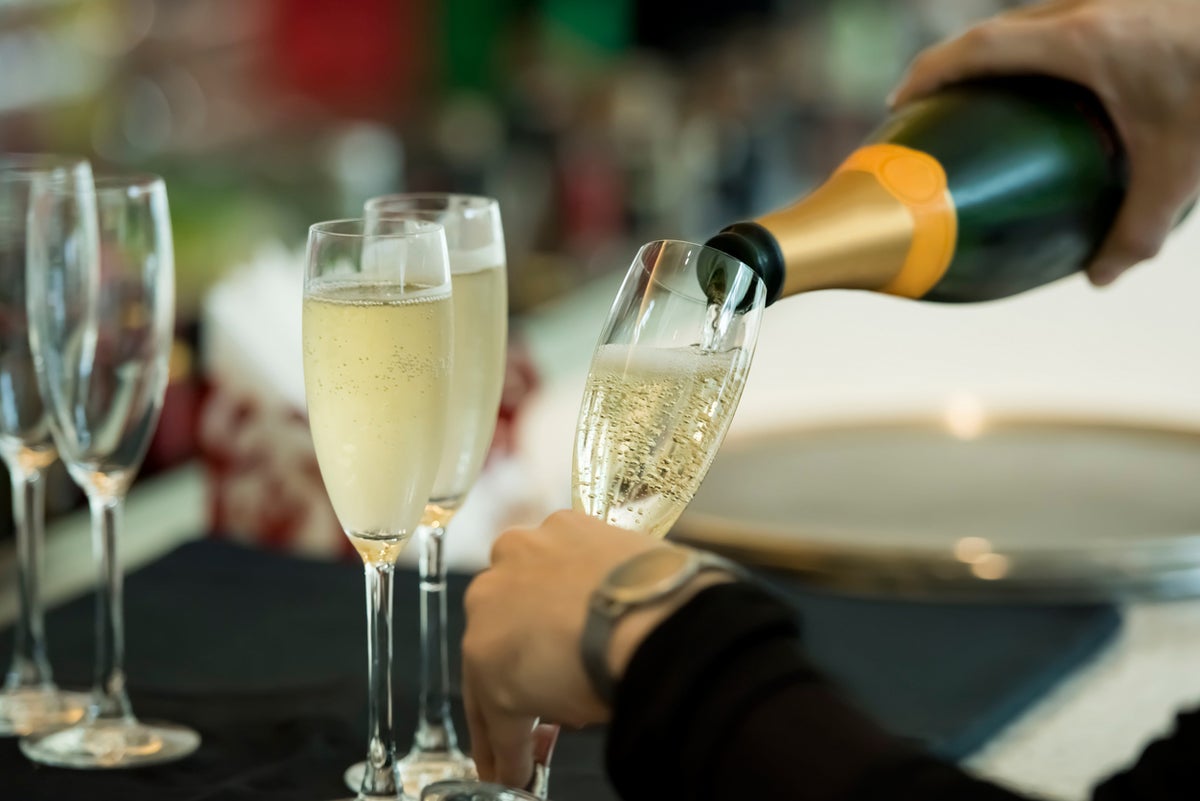
Once opened, the clock runs much faster. The effervescence that defines Champagne — the bubbles that carry so much of its aromatics and character — begins to dissipate immediately on contact with air. An opened bottle is best enjoyed within hours of uncorking, though a proper Champagne stopper combined with immediate refrigeration can preserve reasonable quality for two to three days. After that, the fizziness will be largely gone and the wine will have flattened noticeably, though the flavour may remain pleasant enough for cooking.
The common mistake is returning an opened, improperly sealed bottle to room temperature, or leaving it uncovered in the fridge. Both accelerate the loss of carbonation and allow oxidation to develop.
How to Tell If Champagne Has Gone Bad
Several signs indicate that a Champagne has moved past its drinking window or been compromised by poor storage. The most obvious is a complete absence of bubbles — flat Champagne is not necessarily spoiled, but it has lost its defining quality and the experience will be a shadow of what was intended. A colour shift from the typical pale gold or rosé towards a deep yellow or brown suggests oxidation over time, which alters the flavour profile significantly.
On the nose, off odours are a reliable indicator: a smell of vinegar suggests acetic acid development, wet cardboard points to cork taint (TCA), and a musty or sherry-like quality suggests excessive oxidation. On the palate, flavours that are sour, flat, or simply dull rather than fresh and vibrant confirm what the nose suggested. None of these faults make the wine harmful to drink — they simply make it unrewarding.
Ageing Champagne Intentionally
It is worth noting that not all age-related change in Champagne is deterioration. Great vintage Champagnes are specifically designed to evolve and improve over time, developing secondary and tertiary aromas — toast, almond, biscuit, honey, dried fruit — that are absent in younger bottles and that many collectors find more interesting and satisfying than the primary fruit of a recently released wine.
The distinction is between wine that has aged well under correct conditions and wine that has degraded due to poor storage or simply exceeded its optimal drinking window. A well-stored 1996 Krug is not "going bad" — it is at or near its finest. A non-vintage Champagne that has sat in a warm cupboard for six years probably is.
For the greatest vintage Champagnes and how they develop, see our top Champagne vintage years guide and three-decade vintage summary.
Browse Champagne
View all available Champagne →
Related Reading
Top Champagne vintage years | Champagne vintage summary | Dom Pérignon vintage guide
Newsletter Sign Up
Do you like collecting fine wine?
Then stay ahead of the curve. Our newsletter delivers the latest releases, trends, and special offers in the world of fine wine.
Latest releases | Trends & insights | Exclusive deals