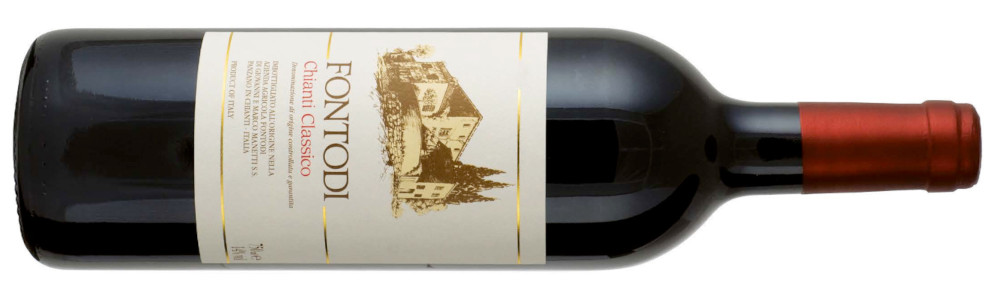
Fontodi Chianti Classico 2021
Chianti Classico, Tuscany, Italy
€27.50 In Bond DC 94
Single Bottle In Stock

You have no items in your shopping cart.
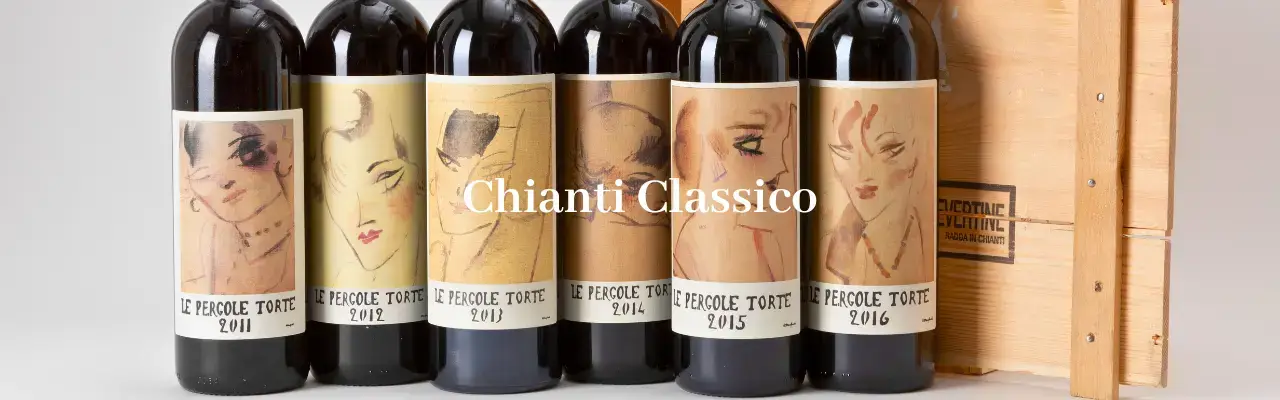
Chianti Classico, Tuscany, Italy
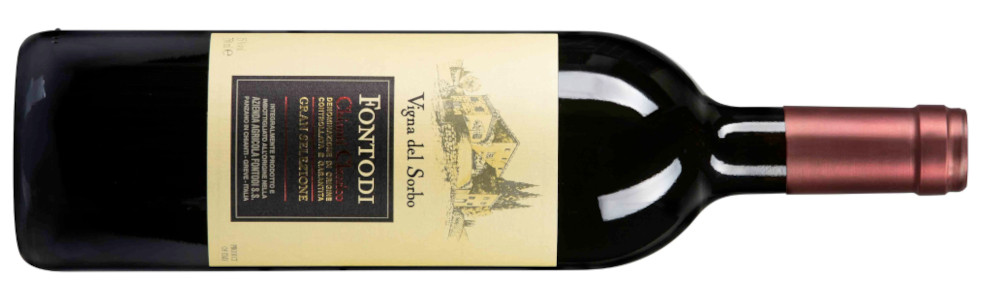
Chianti Classico, Tuscany, Italy
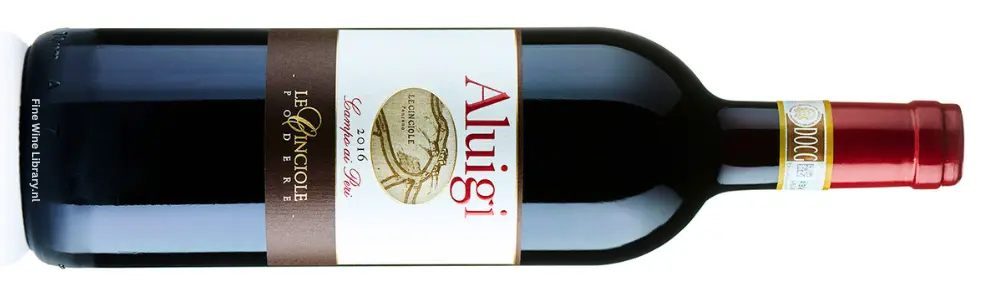
Chianti Classico, Tuscany, Italy
Chianti Classico is one of the most important wine appellations in Italy and one of the most misunderstood. The name Chianti, long associated in the popular imagination with cheap, cheerful wine in straw-covered flasks, bears almost no relation to what Chianti Classico's finest producers are making today. At the Gran Selezione level, this is serious, age-worthy Sangiovese from one of Europe's most historically significant wine regions, produced from vineyards that have been cultivated for centuries in the hills between Florence and Siena.
For collectors, Chianti Classico represents one of Tuscany's most compelling opportunities: wines of genuine depth and complexity, often at prices that undervalue them relative to their quality and ageing potential.
Wine has been produced in the hills between Florence and Siena since at least the 13th century, and the area has been known as Chianti since at least the 14th. The Chianti League, the Lega del Chianti, a political and military alliance of medieval Florentine communes, established the first formal boundaries of the zone and gave it the name that persists today.
The modern history of Chianti begins in 1872, when Baron Bettino Ricasoli, the second Prime Minister of unified Italy and owner of the Brolio estate, formulated a recipe for Chianti based on Sangiovese, Canaiolo, and a small proportion of white grapes. His formula became the template for the Chianti DOC, established in 1963, and shaped Italian wine law for decades, though it also locked producers into blending requirements that limited quality.
The distinction between Chianti Classico, the historic heartland, and the broader Chianti zone was formalised over time, and the Chianti Classico DOCG was established in 1996, separating the original zone from the many outlying areas that had appropriated the Chianti name. The introduction of the Gran Selezione tier in 2014, requiring single-vineyard or top-selection wines with additional ageing, created a formal quality pyramid that has helped position the best Chianti Classico wines as serious collector wines on the international stage.
The Chianti Classico zone occupies approximately 7,200 hectares of vineyard between Greve in Chianti in the north and Castelnuovo Berardenga in the south, a landscape of steep hills, forests, and ancient stone villages that is among the most beautiful in Europe.
The soils are predominantly galestro and alberese, the same limestone-rich, well-draining rock formations that characterise the finest vineyard sites across Tuscany. These poor, rocky soils force the vines to root deeply and produce grapes of concentration and aromatic definition. The altitude of the vineyards, ranging from around 250 metres to over 600 metres at the highest sites, is critical to preserving the freshness and acidity that distinguishes great Chianti Classico from more southerly, lower-altitude Tuscan wines.
The zone is not uniform in character. The northern communes around Greve, Panzano, and Lamole tend to produce more elegant, higher-acid wines with greater aromatic complexity and a longer ageing arc. The southern communes around Castelnuovo Berardenga and Vagliagli produce richer, warmer, and more immediately approachable wines. Understanding this variation is increasingly important for collectors as individual commune character becomes more prominent in how producers describe and market their wines.
The entry level of the DOCG, requiring a minimum of one year of ageing before release. Made from a minimum of 80 percent Sangiovese, supplemented by a range of permitted varieties. Accessible, food-friendly, and representing excellent value at the producer level.
Requires a minimum of two years of ageing, including at least three months in bottle. Riserva wines are typically more structured and complex than the standard release, selected from better parcels and capable of ageing for ten to fifteen years or more in the hands of top producers.
The top tier, introduced in 2014. Gran Selezione wines must be produced from a single vineyard or a top selection of the estate's finest lots, aged for a minimum of 30 months including at least three months in bottle. This is where Chianti Classico competes most directly with the finest wines of Brunello di Montalcino and the Super Tuscans of Bolgheri. The best Gran Selezioni from producers such as Fontodi, Isole e Olena, Montevertine, and Castello di Ama are genuinely world-class wines.
Chianti Classico at its best is defined by the character of Sangiovese: vibrant cherry and dried herb aromatics, naturally high acidity, firm but fine tannins, and an earthy, mineral quality that reflects the galestro soils. The wines are elegant rather than powerful, more closely related in profile to Burgundy than to the Bordeaux-inspired Super Tuscans of Bolgheri, and they age with considerable grace, developing savoury complexity, leather, tobacco, and dried fruit notes over ten to twenty years in the best examples.
The Gran Selezione tier adds depth and concentration to this template without losing the essential Chianti Classico character, its freshness, its acidity, its Sangiovese identity. This is what distinguishes it from other Tuscan appellations: even at the top level, it remains unmistakably itself.
Chianti Classico is increasingly recognised by serious collectors as one of the most undervalued appellations in fine wine. Gran Selezione wines from the top producers achieve critical scores that rival Brunello and the finest Super Tuscans, often at prices that significantly undervalue their quality and ageing potential. As the Gran Selezione tier becomes better established and individual vineyard sites gain recognition, the investment case for the finest Chianti Classico is strengthening.
All Chianti Classico wines purchased through Fine Wine Library are held In Bond, excise duty free, with guaranteed provenance.
Explore the full range of Chianti Classico wines, or discover more from Tuscany including Brunello di Montalcino, the Super Tuscans of Bolgheri, Sassicaia, Ornellaia and Tignanello, and all Italian wines.