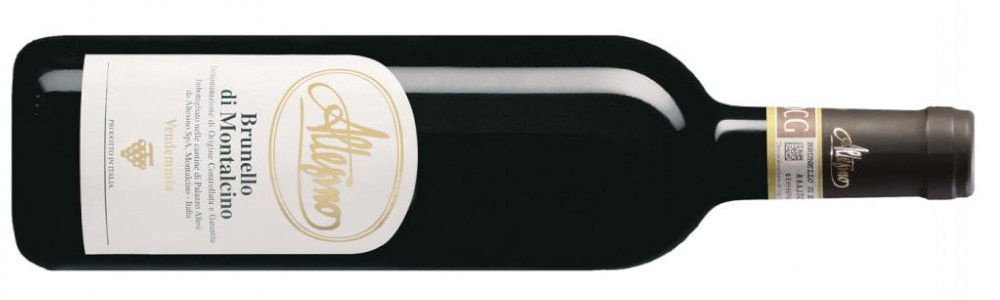
Altesino Brunello di Montalcino 2012 (Magnum)
Brunello di Montalcino, Tuscany, Italy
€870 In Bond VN 91
Case of 6 •€145 / btl Due In

You have no items in your shopping cart.
Brunello di Montalcino, Tuscany, Italy
Brunello di Montalcino, Tuscany, Italy
Brunello di Montalcino, Tuscany, Italy
Brunello di Montalcino, Tuscany, Italy
Brunello di Montalcino, Tuscany, Italy
Brunello di Montalcino, Tuscany, Italy
Brunello di Montalcino, Tuscany, Italy
Brunello di Montalcino, Tuscany, Italy
Brunello di Montalcino, Tuscany, Italy
Brunello di Montalcino, Tuscany, Italy
Brunello di Montalcino, Tuscany, Italy
Brunello di Montalcino, Tuscany, Italy
Brunello di Montalcino, Tuscany, Italy
Brunello di Montalcino, Tuscany, Italy
Brunello di Montalcino, Tuscany, Italy
Brunello di Montalcino, Tuscany, Italy
Brunello di Montalcino, Tuscany, Italy
Brunello di Montalcino, Tuscany, Italy
Brunello di Montalcino, Tuscany, Italy
Brunello di Montalcino, Tuscany, Italy
Brunello di Montalcino, Tuscany, Italy
Brunello di Montalcino, Tuscany, Italy
Brunello di Montalcino, Tuscany, Italy
Brunello di Montalcino, Tuscany, Italy
Brunello di Montalcino is Italy's most prestigious red wine appellation and the benchmark for age-worthy Sangiovese. Produced from a single grape variety, Sangiovese Grosso, known locally as Brunello, from vineyards around the hilltop town of Montalcino in southern Tuscany, these are wines of extraordinary structure, complexity, and longevity. The finest examples can age for fifty years or more, developing a depth and nuance that places them among the most compelling bottles in the world.
For collectors who want to explore Italian fine wine at its most serious and most age-worthy, Brunello di Montalcino is the essential starting point.
Brunello di Montalcino as we know it today is largely the creation of one man: Ferruccio Biondi-Santi, who in the 1870s isolated and cultivated a particular clone of Sangiovese, which he called Brunello, and began producing wines of unusual depth and concentration from his Greppo estate outside Montalcino. The wines he produced were unlike anything else being made in Tuscany at the time: structured, dark, and built for decades rather than years.
Biondi-Santi bottled his wines separately and cellared them for extended periods before release, a radical approach in an era when most Italian wine was consumed young. The 1888 and 1891 vintages were still being served at special occasions well into the 20th century, demonstrating an ageing capacity that no other Italian red had matched.
For most of the 20th century, Brunello remained a niche wine produced by a handful of estates. The transformation came in the 1970s and 1980s when a wave of new producers, Altesino, Barbi, Col d'Orcia, and later Casanova di Neri, Canalicchio di Sopra, and many others, established the modern era of Brunello production. The DOCG designation was granted in 1980, making Brunello di Montalcino one of the first wines to receive Italy's highest classification.
Today the appellation has around 250 producers and is one of the most collected and traded Italian wine appellations in the world.
Montalcino sits in the southern part of Tuscany, southeast of Siena, on a broad hilltop surrounded by vineyards at altitudes ranging from around 120 metres at the valley floor to over 500 metres at the highest vineyard sites. This variation in altitude is fundamental to understanding Brunello, the wines from different parts of the appellation are noticeably different in character.
The northern and higher-altitude vineyards around Montalcino town itself tend to produce wines of greater freshness, aromatic complexity, and structural elegance, wines that can take longer to open but develop extraordinary finesse with age. The southern and lower-altitude vineyards, particularly around Sant'Angelo in Colle and Castelnuovo dell'Abate, produce warmer, richer, and more immediately accessible wines with greater body and fruit concentration.
The soils are predominantly galestro, a crumbly, schist-like limestone rock that drains exceptionally well, combined with alberese, a harder clay-limestone, and varying amounts of clay and sand depending on the site. These poor, well-drained soils are ideal for Sangiovese, stressing the vines and concentrating the fruit while the altitude and the influence of Mount Amiata to the south, which blocks the hottest weather systems, preserve the natural acidity that is essential to Brunello's structure and longevity.
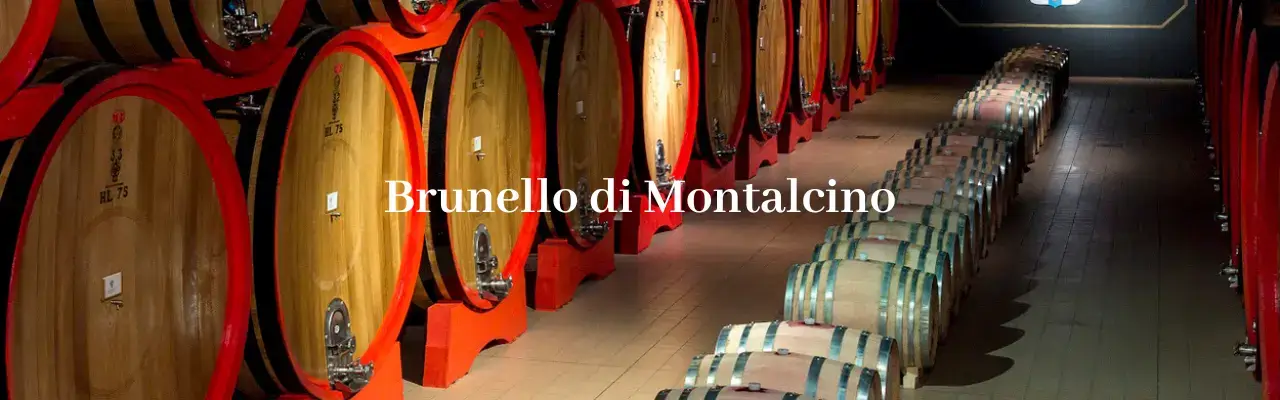
Brunello di Montalcino DOCG regulations require the wine to be made from 100 percent Sangiovese Grosso, aged for a minimum of five years before release, including at least two years in oak and four months in bottle. Brunello Riserva, produced only in the finest vintages, requires six years of total ageing.
Within this framework, winemaking styles vary considerably. The traditional approach favours extended maceration and ageing in large Slavonian oak casks, producing wines of great structure and longevity that can take ten to twenty years to fully open. The more modern approach favours shorter maceration, smaller French oak barriques, and earlier release, producing wines that are more accessible in youth but still capable of long ageing. Most producers today work somewhere between these poles, blending traditional structure with modern precision.
The standard release, aged for a minimum of five years before leaving the winery. In great vintages from top producers, this is one of the finest and most age-worthy wines produced anywhere in the world, dense, structured, and built for decades of cellaring.
Produced only in the finest vintages and from the best parcels, Riserva requires six years of ageing before release and represents the absolute pinnacle of the appellation. The greatest Riservas from producers such as Biondi-Santi and Soldera are among the most collected Italian wines in existence.
The earlier-drinking, DOC-level red wine produced from the same Sangiovese grapes in the same appellation. Released after one year of ageing, it offers a more accessible expression of the same terroir and is an excellent introduction to the character of individual producers before committing to the longer ageing required by Brunello itself.
Brunello's greatest vintages are widely discussed among collectors and significantly affect both the character and the value of the wines. The 2016 is widely considered the finest vintage in a generation, a wine of extraordinary purity, freshness, and structure that will age for decades. The 2015 is equally celebrated, offering richer and more immediately approachable wines alongside comparable longevity. The 2013 is a classic structured vintage. The 2010 produced wines of tremendous concentration and longevity. Further back, the 2004 and 1997 are considered landmark years, and the finest Biondi-Santi Riservas from the 1960s, 1970s, and 1980s remain reference points for what Sangiovese can achieve with age.
Brunello di Montalcino is one of the most consistently collected Italian wines at auction. The appellation's top producers, Biondi-Santi, Soldera, Canalicchio di Sopra, Casanova di Neri, command prices and collector interest that rival the finest wines of Burgundy and Bordeaux. The combination of very long ageing potential, limited production at the top level, and the prestige of the DOCG designation gives Brunello strong secondary market fundamentals. For collectors building a serious Italian position, it is an essential component alongside the Super Tuscans of Bolgheri.
All Brunello di Montalcino wines purchased through Fine Wine Library are held In Bond, excise duty free, with guaranteed provenance.
Explore the full range of Brunello di Montalcino wines, or discover more from Tuscany including the Super Tuscans of Bolgheri, Sassicaia and Ornellaia, and Chianti Classico.