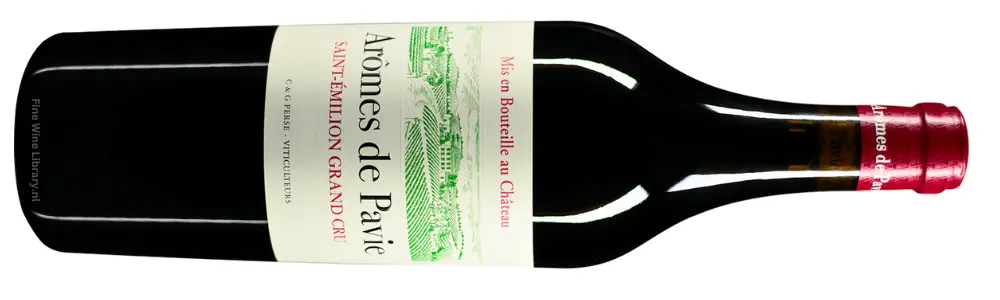
Aromes de Pavie 2025
Saint-Emilion Grand Cru, Bordeaux, France
€312 In Bond JD 96-98
Case of 6 •€52 / btl Due In

You have no items in your shopping cart.
Saint-Emilion Grand Cru, Bordeaux, France
Saint-Emilion Grand Cru, Bordeaux, France
Saint-Emilion Grand Cru, Bordeaux, France
Saint-Emilion Grand Cru, Bordeaux, France
Saint-Julien, Bordeaux, France
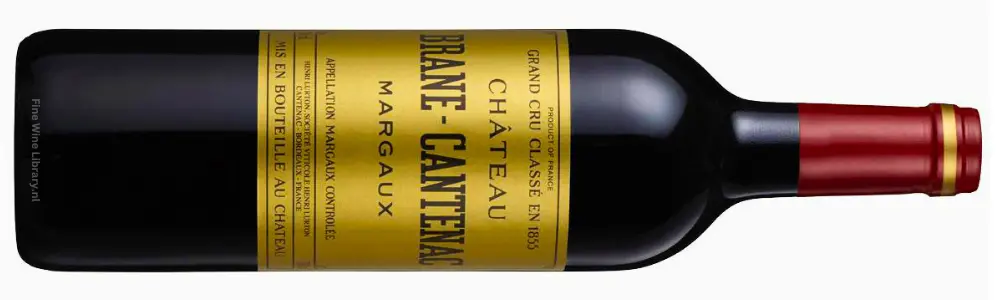
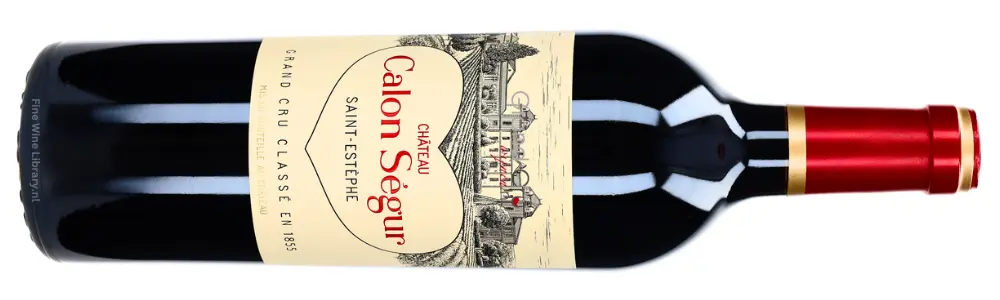
Saint-Estephe, Bordeaux, France
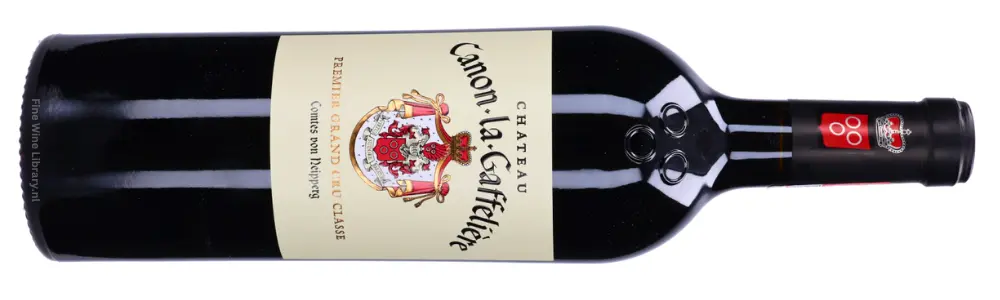
Saint-Emilion Grand Cru, Bordeaux, France
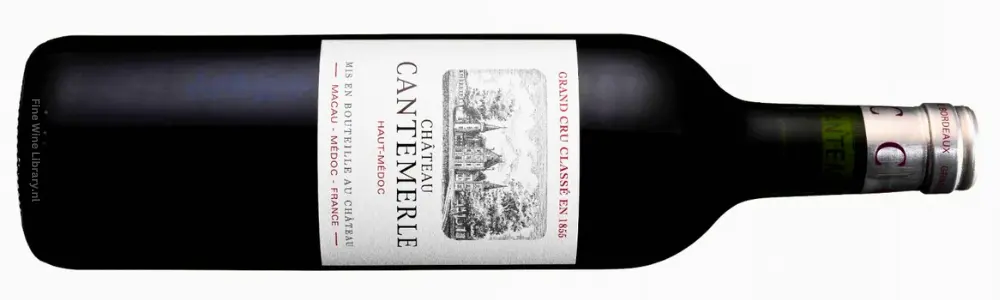
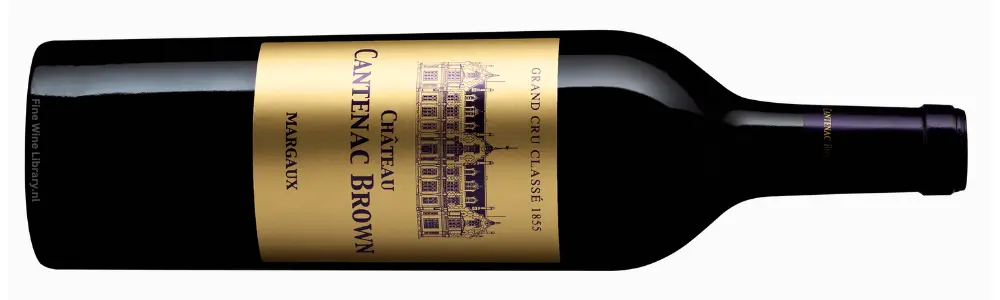
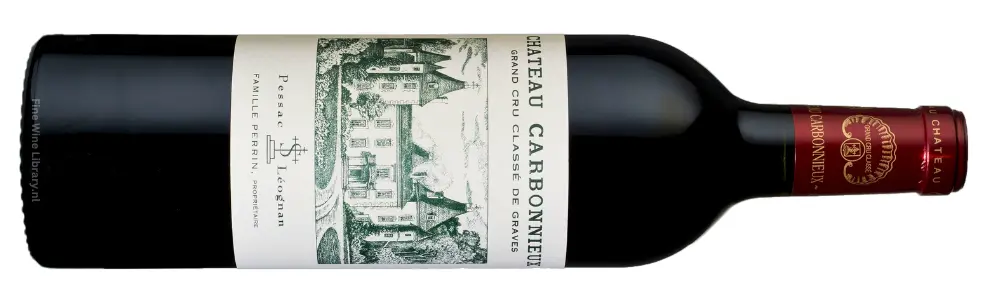
Pessac-Leognan, Bordeaux, France
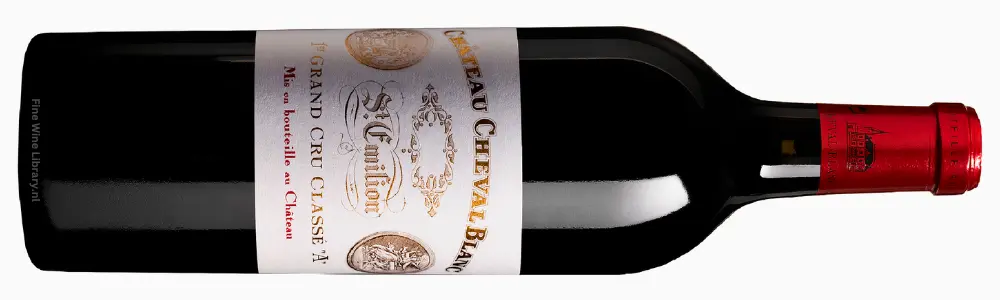
Saint-Emilion Grand Cru, Bordeaux, France
+ Other formats available
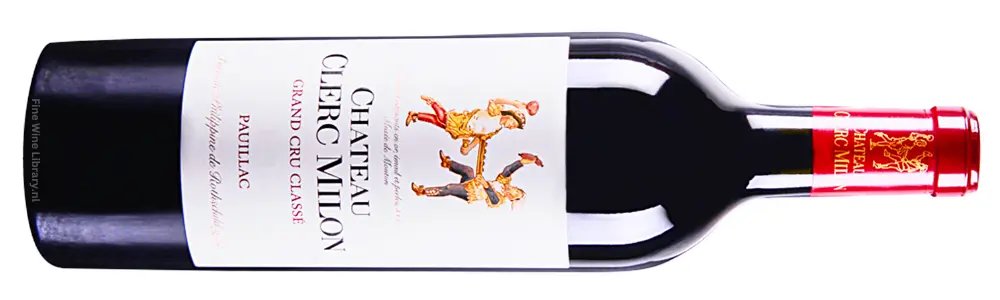
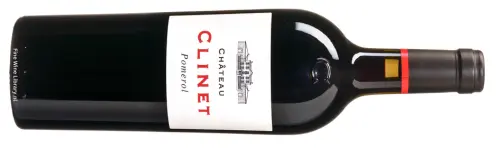
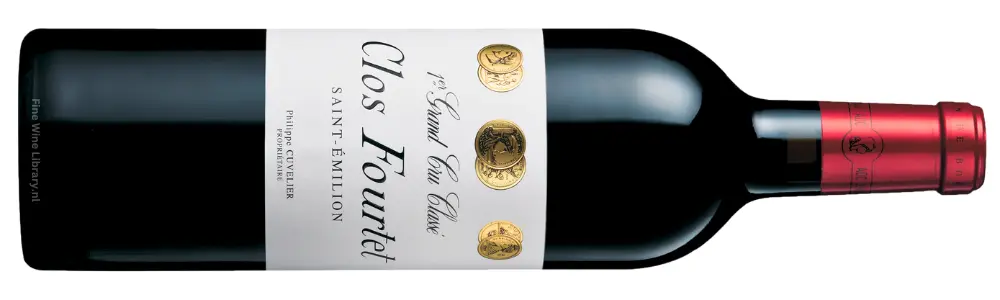
Saint-Emilion Grand Cru, Bordeaux, France
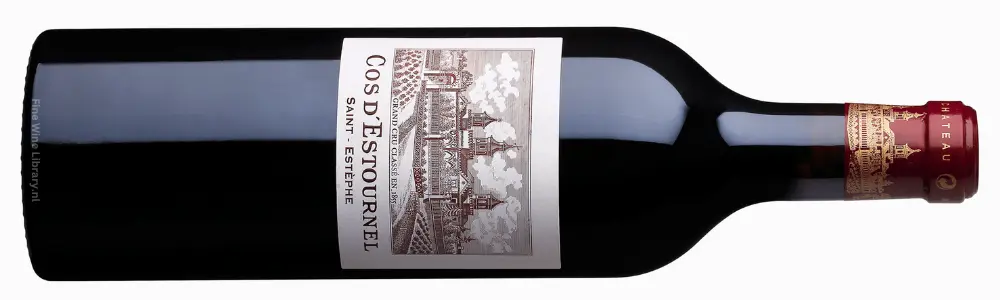
Saint-Estephe, Bordeaux, France
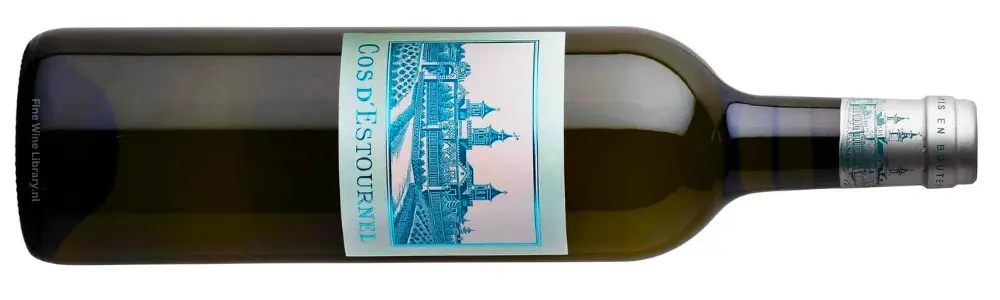
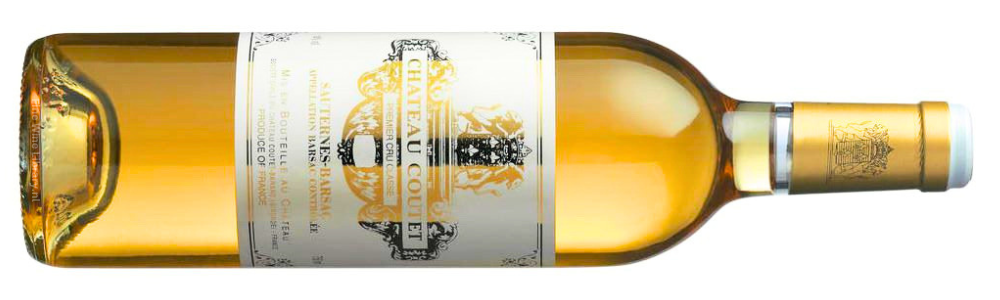
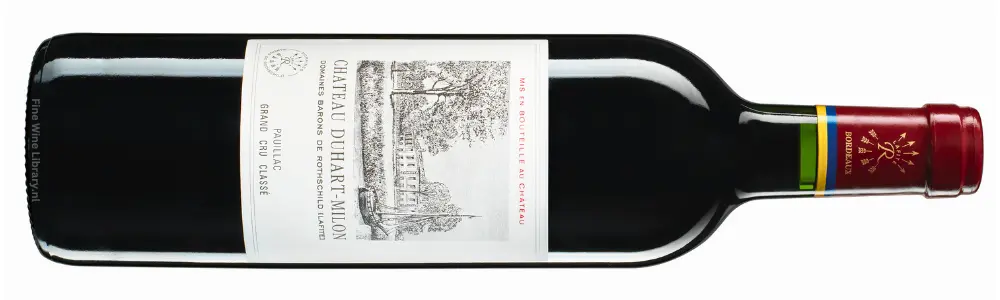
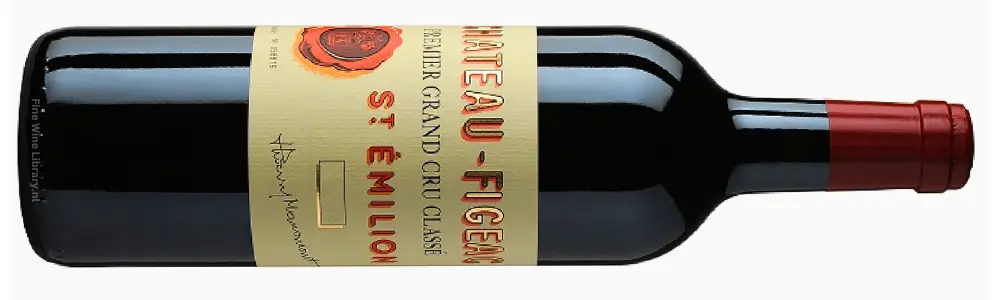
Saint-Emilion Grand Cru, Bordeaux, France
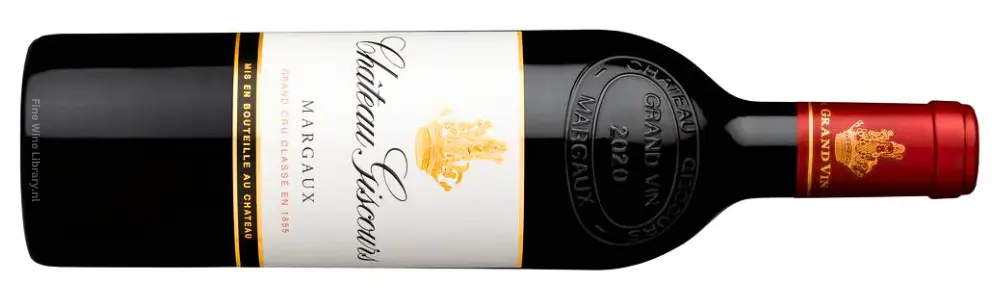
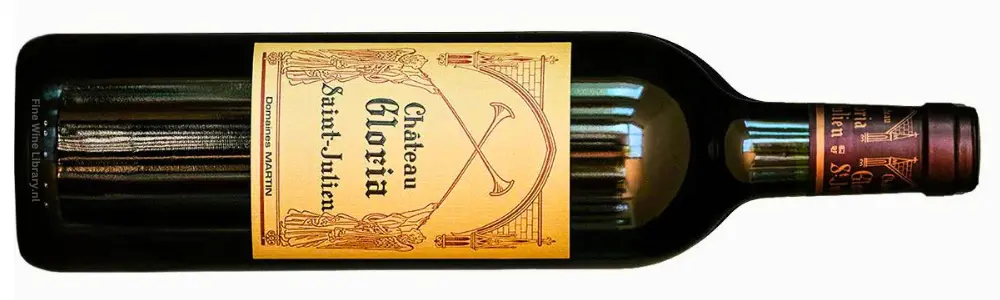
Saint-Julien, Bordeaux, France
Updated April 2026. We have just returned from Bordeaux, where we tasted the 2025 vintage across 200 wines - Pessac-Léognan, Saint-Émilion, Pomerol, Margaux, Pauillac, Saint-Julien. Follow the trip live on Instagram. Fine Wine Library →
We tasted over 200 wines and visited more than 50 chateaux. Many of the wines we tasted scored 98-100 points. We do not usually score wines - we prefer to leave that to the critics - but 2025 pushed us to put numbers on what we were experiencing. That is how good this vintage is.
The summer was hot and expectations pointed toward a 2022-style year. What emerged was something different: a wide diurnal range - cool nights following warm days - retained freshness throughout. A small amount of rain at the end of August, after two months of drought, balanced wines that were already concentrated from very small grapes. September then cooled right down, preventing over-ripening. The result is wines with structure and concentration, great freshness, and aromatic complexity from a long, slow growing season. Cabernet Franc performed exceptionally well, whether on the Right or Left Bank. Every winemaker we spoke to mentioned low pH levels. None of the wines showed excessive oak.
Reds, whites and Sauternes all fared strongly. Across the board, 2025 is a homogeneous vintage with great quality overall.
Read our full vintage report, scores and tasting notes →
Scores and notes provided by Benjamin Vuorinen, Buying Director, Fine Wine Library. Allocations are being added below as the campaign opens.
Sign up for first access to releases →
Right Bank
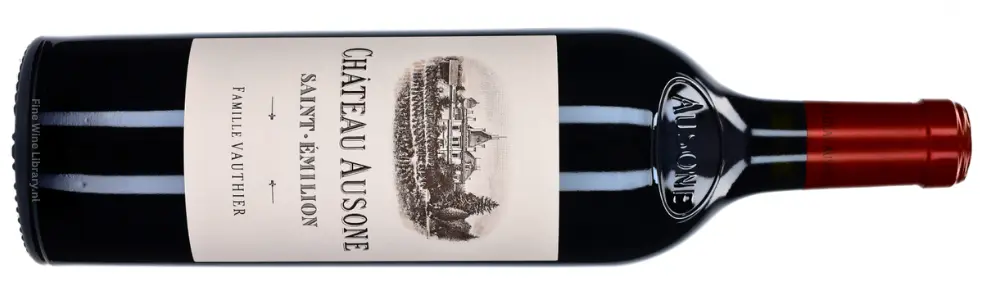
Ausone 2025 - 98-100 pts. No second wine. 65% Cabernet Franc. So fresh with super fine tannins.
Cheval Blanc 2025 - 98-100 pts. No second wine made - everything went into the Grand Vin. Silky, mineral, loaded with concentration.
La Conseillante 2025 - 98-100 pts. Wine of the vintage on the Right Bank. Incredibly silky, violet and purple florals, white pepper, super fine tannins.
Vieux Chateau Certan 2025 - 98-100 pts. Next level. Alexandre Thienpont: a 50/50 blend of 2020 and 2022.
Left Bank
Montrose 2025 - 98-100 pts. If there is one wine to buy from the campaign, make sure it is Montrose. A perfect wine.
Mouton Rothschild 2025 - 98-100 pts. Back to its hedonistic style after a lighter 2024. Tension, graphite, cedar, floral.
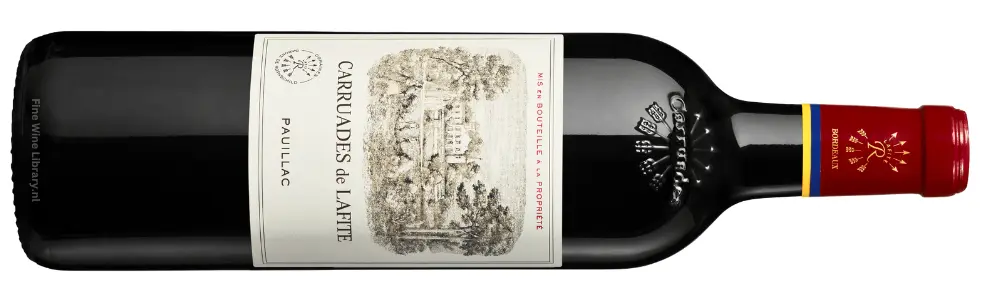
Lafite Rothschild 2025 - 97-99 pts. Blackberry and wild berries with a liquorice finish. Chalky, fine tannins. Silky, elegant and sexy with a long finish.
Chateau Margaux 2025 - 98-100 pts. Wine of the vintage in Margaux. Only 37% of the harvest made the Grand Vin.
Pontet-Canet 2025 - 98-100 pts. Super refined. Powdery tannins, pure and velvety. Could be a perfect wine with age.
See all scores and tasting notes in the full vintage report →
Pauillac 2025 - The most consistent Left Bank appellation. Next-level wines across the board.
Saint-Julien 2025 - Highly rated. Choose the right producers.
Margaux 2025 - Next-level wines. Chateau Margaux is the wine of the appellation.
Saint-Estephe 2025 - Montrose is the wine of the campaign. Cos d'Estournel also exceptional.
Pessac-Leognan 2025 - Choose the right producers. Outstanding whites.
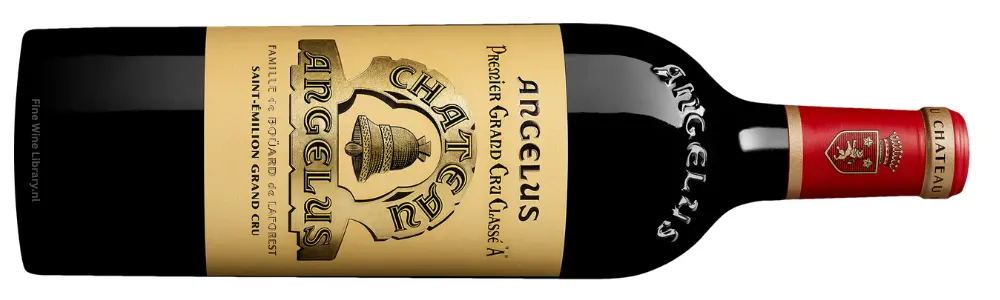
Saint-Emilion 2025 - Limestone sites were fantastic. Ausone, Cheval Blanc, Figeac all 98-100 points.
Pomerol 2025 - La Conseillante and VCC among the wines of the vintage.
Bordeaux En Primeur wines are sold in barrel, before bottling, at the release price set by each chateau - typically the most cost-effective way to acquire top Bordeaux. You pay now and receive the physical wine, fully bottled in a wooden case, once shipped - expected 2027-2028. All wines are held In Bond. All prices shown are In Bond (IB), exclusive of duty and VAT.
Read our complete guide to buying En Primeur →
Direct allocations through La Place de Bordeaux. Transparent In Bond pricing. Personal service from a specialist. Delivery across the Netherlands, Belgium, Germany, France, Italy and Spain. Track your purchases with our My Portfolio tool.
Questions? Contact us and we will help you decide what to buy.