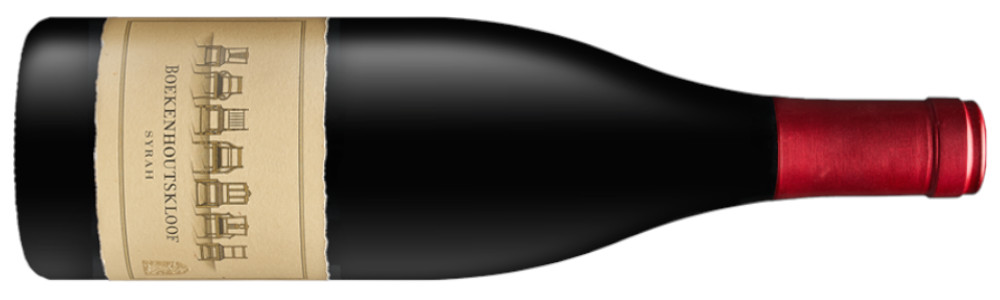
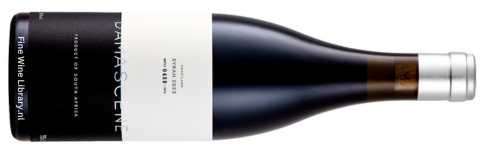
Boekenhoutskloof Syrah 2022
Swartland, Coastal Region, South Africa
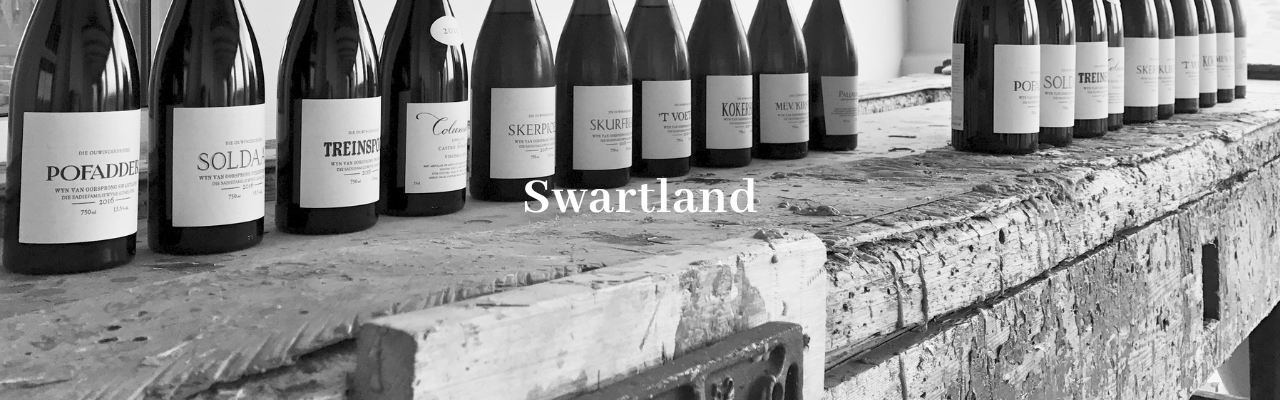
The Swartland is the most important fine wine region in South Africa and the territory that transformed global perceptions of what the Cape was capable of producing. Located approximately 60 kilometres north of Cape Town, this vast rolling landscape of wheat fields, olive groves and ancient bush vine vineyards became, in the first decade of the twenty-first century, the unlikely setting for one of the most significant wine revolutions to occur anywhere in the world in the past fifty years.

Swartland, Coastal Region, South Africa

Swartland, Coastal Region, South Africa

Swartland, Coastal Region, South Africa
The story is well known in the wine trade but still remarkable in the telling. Swartland was not, for most of its history, considered a fine wine region. Its old Chenin Blanc and Syrah vines supplied co-operatives and bulk wine producers, appreciated for their yield but rarely for their quality. The few producers who looked more carefully saw something different: ancient soils of extraordinary depth and character, old bush vines growing without irrigation in conditions of beautiful adversity, and a climate that, in the right hands, could produce wines of genuine concentration, mineral depth and longevity.
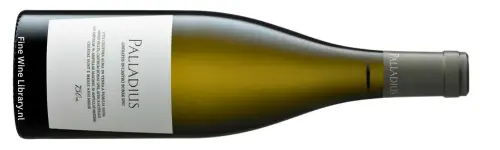
Eben Sadie was the first to build a serious project from these observations, releasing Columella and Palladius from the first vintage in 2000. Chris and Andrea Mullineux followed in 2010, the same year a collective of producers formalised what became known as the Swartland Revolution, committing to a shared manifesto of dry-land farming, old vine preservation, minimal intervention and sustainable practice. That collective, their wines and the critical response they attracted from Tim Atkin and others, changed the trajectory of South African wine permanently.
Swartland is a wine district within the Coastal Region of the Western Cape, South Africa. The region stretches from Darling in the south-west to Riebeek-Kasteel and Riebeek-West in the east, with the Paardeberg mountain providing the most significant elevated terroir within the district. Annual rainfall is approximately 350 millimetres, almost entirely during winter. Viticulture is entirely dry-land, with no irrigation permitted. The principal varieties are Chenin Blanc for white wine and Syrah, Grenache, Cinsault and Mourvèdre for red. The leading producers are The Sadie Family, Porseleinberg, Mullineux and David & Nadia.
The name Swartland means "black land" in Afrikaans, derived from the dark appearance of the renosterbos (rhinoceros bush) that once covered the plains before large-scale agricultural development. The landscape today is predominantly wheat and canola fields, with the vineyards occupying the rocky hillsides and mountain slopes where the soil is too shallow and stony for conventional agriculture. This practical reality, the vines growing precisely where nothing else would, is one of the foundations of the Swartland's exceptional terroir.
The Paardeberg (Horse Mountain) is the most celebrated single site within the Swartland, a granite massif rising from the plains whose slopes support some of the oldest and most characterful vine plantings in the region. The exposed granite, combined with the altitude and the morning fog that rolls in from the Atlantic before burning off in the afternoon heat, creates conditions of natural balance that produce wines of particular precision and mineral depth.
The Swartland's soils divide into two principal geological types, each producing wines of distinctly different character.
The Malmsbury shale that covers much of the lower Swartland is dark, fine-grained and water-retentive, providing the vine roots with access to moisture through the long, dry summer months without the need for irrigation. Wines from shale soils tend toward elegance and aromatic precision, with a linear mineral character and a natural freshness that the climate might not suggest. The finest Chenin Blancs from the Swartland floor, from producers like Mullineux and David & Nadia, express this shale character with particular clarity.
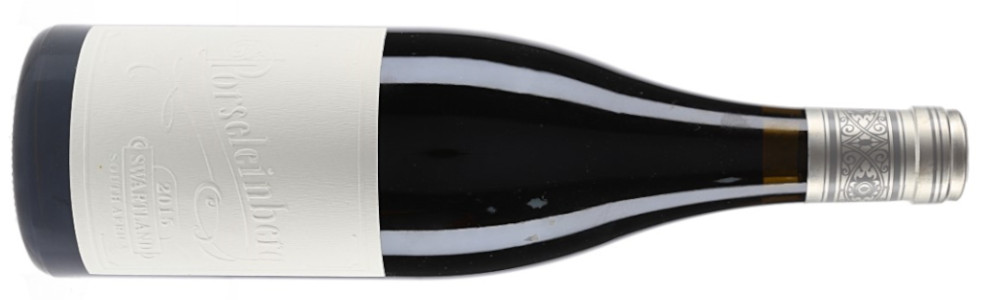
The granite soils of the Paardeberg and its surrounding slopes are lighter in colour, faster-draining and significantly warmer than the shale, producing wines of greater power and textural weight. Porseleinberg, whose vineyards sit on the schist and granite of the Porseleinberg mountains, produces Syrah of an intensity and mineral concentration that reflects the challenges these rocky, ungenerous soils pose to the vine. The vines' response to adversity, rooting deeply, restricting yield and concentrating flavour, is the origin of the Swartland's most celebrated wines.
Many of the Swartland's finest vineyards were planted in the 1950s, 1960s and 1970s, when Chenin Blanc was the workhorse variety of the Cape wine industry. These bush vines, growing on their own roots without irrigation, have developed root systems of extraordinary depth over 40 or more years and produce fruit of a concentration, natural balance and complexity that younger vines planted in more accessible conditions cannot replicate. The Old Vine Project, of which several Swartland producers are founding supporters, certifies heritage vineyards of 35 years and older, and many of the Swartland's finest sites carry this certification.
The Swartland Revolution is the name given to the collective movement that formally emerged in 2010, when Eben Sadie, Chris and Andrea Mullineux, Callie Louw of Porseleinberg and a group of fellow producers published a manifesto committing to a shared set of principles: dry-land farming, old vine preservation, minimal intervention in the cellar, whole-bunch fermentation, sustainable and organic practices where possible, and a rejection of the industrialised approach that had dominated South African wine for decades.
The Revolution, and the Swartland Independent tasting that accompanies each new vintage release, created an international platform for the region's wines that attracted the attention of the world's most influential wine critics. Tim Atkin's successive 100-point scores for Porseleinberg and multiple 98-point and 99-point scores for Mullineux and The Sadie Family confirmed what the producers already knew: that the Swartland's ancient soils and old bush vines were capable of producing wine of a quality that belonged in any conversation about the world's finest.
Chenin Blanc is the most planted white variety in the Swartland and produces the most compelling and internationally discussed white wines from the region. Old bush vine Chenin Blanc, growing without irrigation on the ancient soils of the district, develops a richness and complexity of flavour that is unlike any other expression of the variety. The Sadie Family's Palladius, assembled from multiple old vine Chenin Blanc sources across the Swartland, and David & Nadia's Chenin Blanc from the Paardeberg represent opposite poles of the variety's expression, both of exceptional quality and collector importance.
Swartland Syrah has emerged as one of the most compelling and internationally discussed expressions of the variety outside the Northern Rhone. The combination of ancient soils, dry-land viticulture, warm days and cool Atlantic-influenced nights produces Syrah of a mineral intensity, aromatic precision and structural depth that draws consistent comparison with the great Syrahs of the Cote-Rotie and Hermitage. Porseleinberg, whose wine is routinely compared to Jamet's Cote-Rotie in blind tastings, is the essential reference. Mullineux and Boekenhoutskloof are further outstanding Swartland Syrah producers.
The Rhone varieties planted across the Swartland's older vineyards contribute the aromatic complexity and textural generosity of the finest old-vine red blends. Grenache, with its warmth and red fruit character, Cinsault for aromatic lift and silky texture, and Mourvèdre for depth and animal complexity are the building blocks of Swartland's most ambitious red blends, including The Sadie Family's Columella and the range of single-vineyard wines from Mullineux.
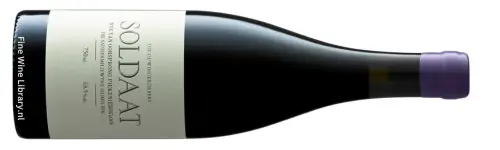
The most important estate in South African wine and the defining reference for everything the Swartland revolution has achieved. Eben Sadie's Columella and Palladius, released from the first vintage in 2000, established the standard against which all Swartland fine wine is measured and attracted the international attention that ultimately brought the region its global profile. The estate also produces a range of single-vineyard old-vine wines that are among the most compelling and collectible bottles produced anywhere in the Cape.
The most decorated Syrah producer in South Africa, and one of the most compelling single-variety estates anywhere in the southern hemisphere. Callie Louw farms the Porseleinberg mountain's schist and granite soils with a dedication and philosophical conviction that has produced multiple perfect scores from Tim Atkin and consistent comparisons with the finest Syrah of the Northern Rhone. The wine is made in tiny quantities and carries serious collector demand.
Chris and Andrea Mullineux established their estate in 2010 and have built within fifteen years a reputation as one of the most accomplished and critically decorated wine estates in the southern hemisphere. The range spans single terroir Syrahs from schist and granite sites, old vine Chenin Blancs and the Mullineux Straw Wine, which is one of South Africa's most celebrated sweet wines. Multiple 99 and 98-point scores from Tim Atkin confirm the estate's position at the very top of Swartland production.
David and Nadia Sadie farm the granite soils of the Paardeberg to produce Chenin Blanc and Grenache of exceptional mineral precision and aromatic definition. Their Chenin Blanc is widely regarded as one of the finest and most mineral expressions of old vine Chenin Blanc produced anywhere in South Africa, combining the granite terroir of the Paardeberg with a philosophical approach of complete minimal intervention.
Chris and Suzaan Alheit source from old vine sites across the Western Cape including the Swartland, producing Cartology and a range of single-vineyard Chenin Blancs that are among the most celebrated and collectible white wines in South Africa. The Swartland's ancient schist and granite soils contribute the mineral depth and structural complexity that is the foundation of the Alheit house character.
The Franschhoek-based estate founded by Marc Kent is deeply embedded in the Swartland story through Porseleinberg, which Kent established when he identified the exceptional potential of the Porseleinberg mountain's ancient soils. The Boekenhoutskloof Swartland Syrah and The Chocolate Block, which draws on Swartland fruit, are among the most widely known and critically recognised wines produced from the region.
Produces an outstanding Swartland Syrah alongside wines from Stellenbosch and Franschhoek, demonstrating the multi-regional ambition that is increasingly characteristic of the most accomplished Cape producers. The Swartland expression captures the mineral intensity and aromatic precision that the region's ancient soils deliver to the variety.
A compelling small producer working with old vine material from across the Swartland with a natural, minimal-intervention approach that has attracted growing critical attention.
The case for collecting Swartland wine seriously rests on a combination of factors that rarely align in a single region. The quality is at a generational peak, confirmed by consistent critical scores at the very highest level from Tim Atkin and other leading critics. The terroir, ancient soils and old bush vines of 40 or more years, is genuinely irreplaceable and cannot be created or replicated. The producer roster, led by The Sadie Family, Porseleinberg, Mullineux and David & Nadia, combines philosophical conviction with viticultural excellence at a level that demands serious collector attention.
The pricing, whilst rising, still offers remarkable value relative to European equivalents of comparable quality and critical recognition. Collectors who are building positions in Swartland now are acquiring wines from a region and a producer community at the height of their powers, at prices that will not persist indefinitely as the region's international profile continues to grow.
All Swartland wines purchased through Fine Wine Library are held In Bond, excise duty free, with guaranteed provenance.
Swartland's combination of ancient soils (Malmsbury shale and granite), dry-land bush vine viticulture, old vine heritage of 40 or more years and a generation of philosophically committed producers working with minimal intervention has produced wines of a quality and character that are unlike anything else produced in South Africa or, in many cases, anywhere else in the wine world.
The Swartland Revolution was a collective movement formally launched in 2010 by a group of producers including Eben Sadie and Chris and Andrea Mullineux, committing to a shared manifesto of dry-land farming, old vine preservation, minimal intervention and sustainable practice. It established the philosophical and practical foundation for the modern Swartland fine wine scene and attracted international critical attention that transformed the region's global profile.
Old vine Chenin Blanc and Syrah are the two varieties for which the Swartland is most celebrated, producing wines of genuine international significance. Grenache, Cinsault and Mourvèdre contribute to the region's most ambitious red blends.
The Sadie Family, founded by Eben Sadie, is the most historically significant and internationally celebrated producer in the Swartland, with Columella and Palladius regarded as the defining references for the region. Porseleinberg and Mullineux are the other essential benchmarks.
The Old Vine Project is a South African initiative that identifies, certifies and promotes the preservation of heritage vineyards of 35 years and older, awarding qualifying sites a Certified Heritage Vineyard designation. Several Swartland producers are founding supporters and their wines draw from vineyards certified under this scheme.