
En Primeur for Beginners: Your First Campaign Explained
 You have likely come across the term before. You know it involves Bordeaux and buying wine before it is bottled. What is less clear is how the system actually works, whether it makes sense for you, and where to begin.
This guide is written for that exact moment. It covers the questions most first-time buyers have, clearly and without unnecessary complexity.
If you want a step-by-step view of the process, start here:
How to buy Bordeaux En Primeur
What is en primeur, in plain terms?
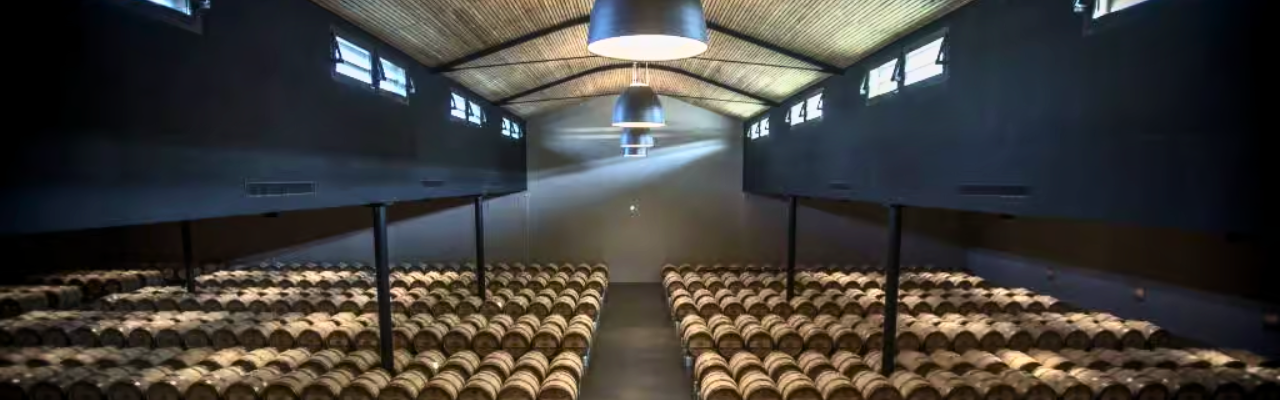
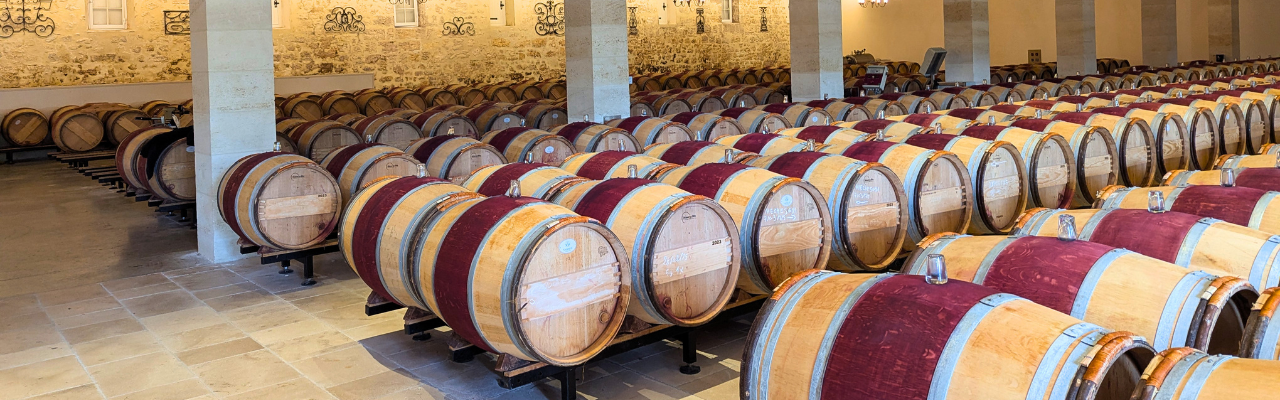
En primeur, often referred to as wine futures, is the system Bordeaux wines use to sell their wines while they are still ageing in barrel.
Each spring following the harvest, the leading chateaux present their wines to merchants, critics and buyers. Tastings take place in Bordeaux, the quality of the vintage is assessed, and then the wines are released to the market in a series of price announcements.
You commit to buying the wine at this stage. It is then bottled and delivered roughly two years later.
That is the mechanism. What matters, and what makes en primeur worth understanding, is how pricing and availability evolve between release and delivery.
If you want a deeper breakdown of how the system works, see the complete en primeur guide.
Why buy a wine you cannot drink for two years?
There are three main reasons, and their importance depends on what you are buying.
Access
For the most sought-after wines, En Primeur is often the only realistic point of entry. Estates such as Petrus, Lafleur and leading names like Chateau Lafite Rothschild are produced in limited quantities. By the time the wines are bottled, availability is often restricted.
Price
In strong vintages, where release prices are sensible, En Primeur can offer the lowest entry point. Buying early means securing wines before the wider market fully forms an opinion.
Provenance
You are buying within the Bordeaux system, meaning the wine moves directly from barrel to bottle to your account. For collectors, this level of traceability is important.
How much do you need to spend?
There is no minimum spend, but in practice En Primeur is sold by the case, typically 3, 6 or 12 bottles.
Pricing varies widely. You can find well-made Bordeaux at accessible levels, while the most sought-after wines in Pauillac wines or Pomerol wines can reach several thousand euros per case.
For a first campaign, it is often sensible to focus on one or two estates in the mid-range. Strong producers in Pessac-Leognan wines or Pessac-Leognan wines often offer excellent quality without requiring a significant initial outlay.
You do not need to spend heavily to participate meaningfully. There are lots of great deals to be had.
When do you receive the wine?
The typical timeframe is 18 to 24 months after purchase.
For example, wines from the 2025 vintage, released in spring 2026, will be bottled and shipped in late 2027 or early 2028. This timing can vary slightly by estate, but the overall structure is consistent.
Once bottled, delivery to your address is relatively quick. The waiting period reflects the time the wine spends maturing in barrel, which is an integral part of its development.
What if you change your mind?
This is one of the more important points to understand clearly.
En primeur purchases are generally not cancellable once confirmed. When you place an order, the merchant commits through the Bordeaux system, and that chain of commitments is not easily reversed.
In certain situations, adjustments may be possible, but these are exceptions rather than the rule.
The practical takeaway is straightforward. Only buy wines you are comfortable holding or eventually drinking. En primeur works best as a considered approach to building a cellar, not as a short-term trade.
Is it safe?
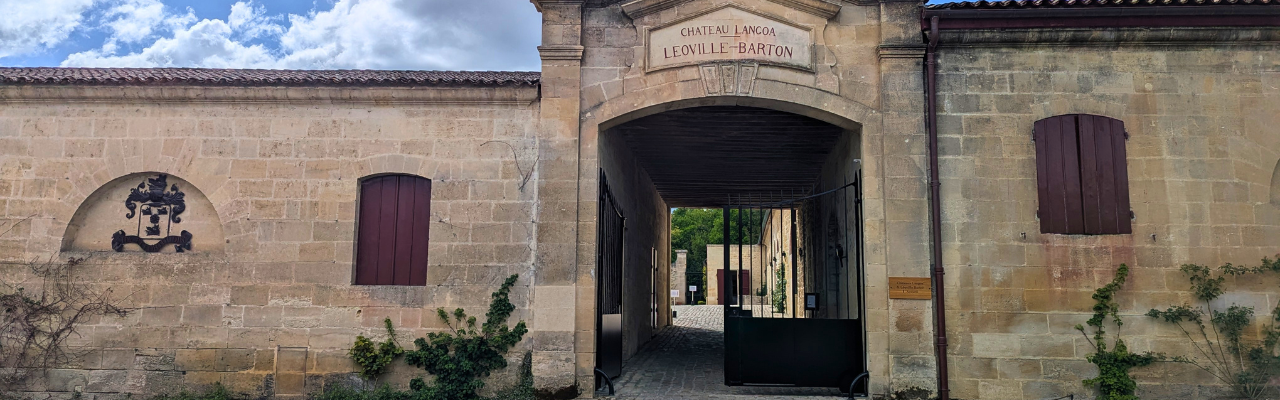
For the leading estates, the risk of non-delivery is extremely low. These are established properties with long histories and strong commercial reputations.
The more relevant consideration is the merchant you choose to buy from. En primeur involves paying in advance, so it is important to work with a merchant that is established, transparent and financially sound.
At Fine Wine Library, wines are sourced through the Bordeaux Place system and held in bonded storage until delivery. Your purchase is backed by the underlying contract within that system.
What is available now?
The Bordeaux 2025 campaign is currently open. Tastings are taking place across the region, and recommendations are being released as the campaign progresses.
Early impressions suggest a vintage defined by balance and precision, with particular interest on the Right Bank. As the key chateaux release their wines, we will continue to highlight both standout and value opportunities.
You can browse the current releases here:
Bordeaux 2025 en primeur campaign
You may also want to explore recent campaigns:
If you would like guidance on where to start, feel free to get in touch. This is where a short conversation can make a real difference.
Quick answers to common questions
Can you buy a single bottle en primeur?
In most cases, no. Wines are typically sold in cases of three, six or twelve, although some estates offer mixed formats.
Do you pay import duty?
Within the EU, no customs duty applies. VAT and local excise duty are payable on delivery.
Where is the wine stored before delivery?
In bonded storage in Bordeaux & the Netherlands, within the négociant system, until it is released by the chateau.
Can you sell your allocation before delivery?
In principle, yes. Contracts can be transferred, although this depends on the specific situation.
What if the wine changes between barrel and bottle?
There are always small differences, but experienced assessments at en primeur stage are generally reliable, particularly for established estates.