
Chateau MargauxBordeaux, France
Showing 1–3 of 3 wines
Chateau Margaux is the most elegant of the five Bordeaux First Growths — a wine defined not by power or opulence but by perfume, silky texture, and a floral precision that no other estate in Bordeaux quite replicates. Where Pauillac produces wines of structure and concentration, Margaux is about grace. It is a wine that seduces rather than impresses, and for collectors who prize elegance above all else, it is the natural First Growth.
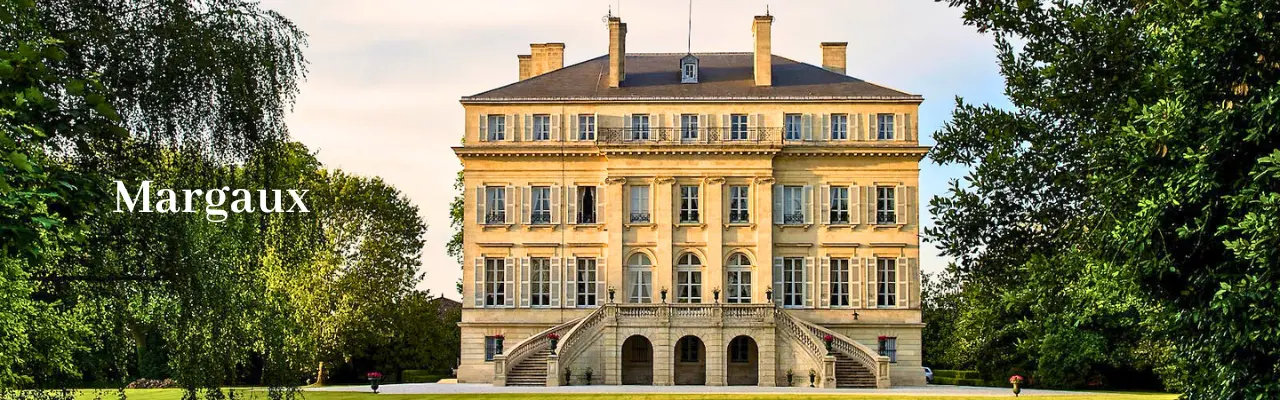
The estate also produces one of the most beautiful properties in Bordeaux. Its neoclassical château — often called the Versailles of the Médoc — sits at the centre of a 262-hectare estate in the heart of the Margaux appellation, and the building is as iconic to fine wine culture as the wine itself.
The History of Chateau Margaux
The history of Chateau Margaux stretches back to the 12th century, when the estate was known as La Mothe de Margaux. By the 16th century it was one of the first properties in the Médoc focused solely on grape growing, and by the 18th century its wines were already among the most celebrated in France. In 1787, Thomas Jefferson — then U.S. ambassador to France and one of the most discerning wine collectors of his era — named Margaux among the four vineyards of first quality in Bordeaux. The 1855 Classification confirmed what collectors had long understood.
The neoclassical château we see today was built in the early 19th century by the Marquis de la Colonilla, and it remains one of the defining images of Bordeaux.
The modern era of Chateau Margaux began in 1977 when the Mentzelopoulos family acquired the estate. Under André Mentzelopoulos and subsequently his daughter Corinne, the property underwent a thorough transformation — new winemaking facilities, restored buildings, and a renewed commitment to quality that has produced some of the finest Margaux in the estate's history. Corinne Mentzelopoulos continues to lead the estate today, and under her stewardship Margaux has reached a level of consistency that few properties anywhere can match.
The Terroir of Chateau Margaux
The estate covers 262 hectares in total, with 87 hectares planted with vines. The soils are among the thinnest and most gravelly in the Médoc — a quality that forces the vines to root deeply, producing wines of concentration and definition rather than weight. The gravel over clay and limestone subsoils is ideal for Cabernet Sauvignon, which makes up 75 percent of the red vine plantings, supported by 20 percent Merlot, 3 percent Petit Verdot, and 2 percent Cabernet Franc.
The location of the estate near the Gironde estuary creates a moderating microclimate that controls temperatures and reduces frost risk, allowing for even ripening across the growing season. It is this combination of thin, gravelly soils and a moderate climate that produces Margaux's defining character: concentration without heaviness, structure without austerity, and a perfume and floral lift that is entirely its own.
Winemaking at Chateau Margaux
Winemaking at Chateau Margaux combines the estate's traditional methods with careful modern refinement. Grapes are hand-harvested and sorted to ensure only the finest fruit enters the winery. Fermentation takes place in large oak vats and stainless steel tanks, giving the winemaking team precise control over temperature and extraction. Each parcel is vinified separately and assessed before blending, a process that ensures the Grand Vin contains only the very best lots from the finest blocks of the estate.
Ageing takes place in French oak for 18 to 24 months, with 100 percent new oak for the Grand Vin. Over time, the wine integrates its oak completely, developing the silky tannin structure and layered aromatic complexity that defines Margaux at its peak — blackcurrant, violets, cedar, and a mineral freshness that persists through decades of development.
The Wines of Chateau Margaux
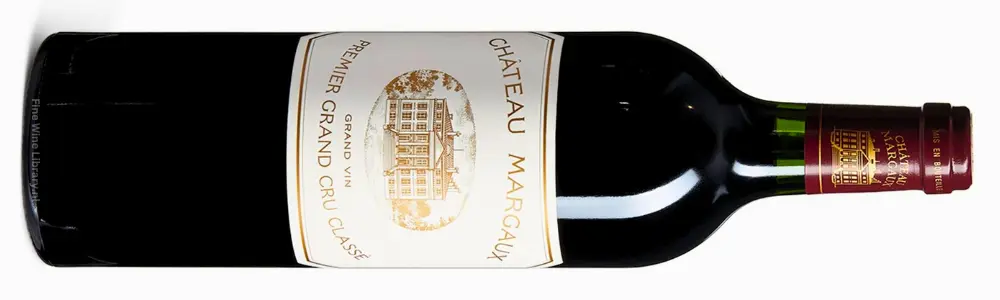
Grand Vin — Chateau Margaux
The Grand Vin is the flagship of the estate, made only from the finest parcels and the best lots of each vintage. It is one of the most elegant and age-worthy wines in Bordeaux, combining power with a silky grace that is unique among the First Growths.
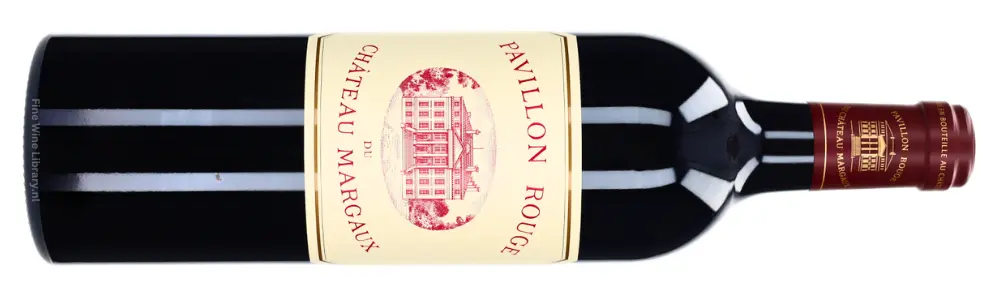
Pavillon Rouge du Chateau Margaux
The second red wine of the estate, Pavillon Rouge offers a more accessible entry point to the Margaux character. It is made from lots not selected for the Grand Vin and typically offers earlier drinkability while retaining the estate's signature elegance and precision.
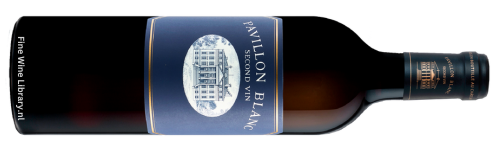
Pavillon Blanc du Chateau Margaux
Chateau Margaux also produces one of the most celebrated dry white wines in Bordeaux — Pavillon Blanc — made entirely from Sauvignon Blanc. It is produced in small quantities and is highly sought after in its own right, entirely separate from the red winemaking and aged in French oak to produce a wine of remarkable texture and longevity.
Style and Character — Margaux vs Other First Growths
Among the Bordeaux First Growths, Chateau Margaux is the most perfumed and the most elegant. To understand where it sits, it helps to compare it with its peers. Chateau Latour is the most powerful and structured, built on a terroir that produces wines of near-inexhaustible longevity. Chateau Lafite Rothschild shares Margaux's refinement but expresses it through linear precision and aromatic complexity rather than texture and perfume. Chateau Mouton Rothschild is the boldest and most opulent of the five. Chateau Haut-Brion offers a smoky, earthy complexity from its Pessac-Léognan terroir that sets it apart from all the others.
Margaux occupies a unique position — the most feminine expression of Bordeaux, combining genuine power with a silky elegance and a floral lift that makes it the most immediately seductive of the First Growths for many collectors.
Best Vintages of Chateau Margaux
Certain vintages of Chateau Margaux stand among the greatest wines ever produced on the Left Bank. The 2015 is one of the finest modern expressions of the estate — seamless, perfumed, and now beginning to open beautifully. The 2016 is more structured and will reward the longest patience. The 2010 is outstanding, combining concentration with Margaux's characteristic elegance. The 2009 is rich and approachable. The 2005 is deeply concentrated and still developing. The 2000 is now drinking superbly, showing the cedary complexity and silky texture that define great Margaux at maturity. The 1990 is legendary.
More recent releases including Bordeaux 2025 and Bordeaux 2024 continue to demonstrate the estate's consistency under Corinne Mentzelopoulos.
Investment and Collectability
Chateau Margaux is one of the most consistently strong performers on the secondary market. Its combination of First Growth status, the Mentzelopoulos family's track record of quality improvement, and a style that appeals across collector profiles — from those seeking wines to drink in the medium term to those building multi-decade cellars — gives it broad and deep demand. Pavillon Blanc is also increasingly sought after as a collector wine in its own right.
Buy Chateau Margaux Wines
Margaux is released through the En Primeur system, offering collectors the opportunity to secure wines early across the widest range of formats. All bottles purchased through Fine Wine Library are held In Bond, excise duty free, with guaranteed provenance.
Discover more from the Margaux appellation, compare all Bordeaux First Growths, or browse the latest Bordeaux En Primeur releases.