
January 28, 2025
Bordeaux & Food Pairing: The Ultimate 2026 Guide by Style
Category: Bordeaux, Fine Wine
Bordeaux is one of the most food-friendly wine regions in the world, and not simply because of its range. The structure of fine Bordeaux — the tannins, acidity, and depth that give the wines their character — is designed to work alongside food rather than without it. A great Left Bank red needs a table. Understanding which styles of Bordeaux pair best with which dishes is the key to unlocking the full experience the wine is capable of delivering.
This guide covers red, white, and sweet Bordeaux, working through the pairings that make the most sense for each style.
Left Bank Red Bordeaux
The Left Bank — encompassing Pauillac, Margaux, Saint-Julien, Saint-Estèphe, and Pessac-Léognan — produces Cabernet Sauvignon-dominant wines defined by their structure: firm tannins, blackcurrant fruit, cedar, graphite, and tobacco. These wines need food of comparable weight and intensity to show at their best.
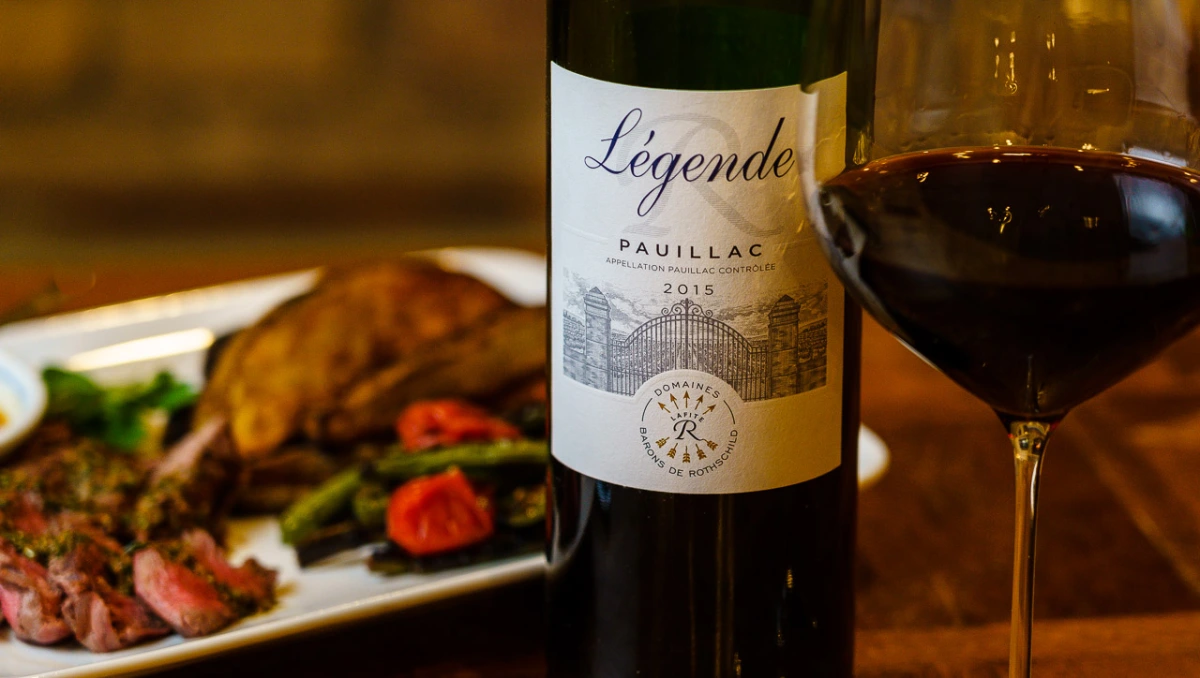
Red meat is the natural home of Left Bank Bordeaux. A ribeye steak or a rack of lamb with the fat still on brings out the wine's fruit while its tannins cut through the richness and cleanse the palate. Roast venison and other game work equally well, particularly alongside sauces built on red wine or stock. The key principle is matching intensity: a delicate preparation will be overwhelmed by a young Pauillac, while a robust, slow-cooked dish will reward a wine of depth and structure.
Hard aged cheeses — Comté, aged Cheddar, Parmigiano-Reggiano — are an underrated match for Left Bank reds. The concentrated umami of the cheese mirrors the savoury complexity of the wine, and the pairing works particularly well with bottles that have a decade or more of age behind them.
Right Bank Red Bordeaux
The Right Bank — particularly Saint-Émilion and Pomerol — produces Merlot-dominant wines that are softer, rounder, and more immediately approachable than their Left Bank counterparts. Plum, cherry, and chocolate notes, with velvety tannins and a pliant texture, open up the pairing options considerably.
Poultry works well here in a way that it rarely does with the structure of the Left Bank — duck breast in particular, with its rich dark meat and natural fat, is a classic match. Roast chicken with a cream or mushroom sauce, pheasant, and guinea fowl all complement the Right Bank's fruit-forward generosity without being overwhelmed by it. Pasta with rich meat sauces — beef ragù, Bolognese — brings out the wine's velvety texture and ripe fruit. Softer cheeses such as Brie and Camembert pair naturally with the gentler tannins of Merlot-based wines.
Dry White Bordeaux
Bordeaux's dry whites — made primarily from Sauvignon Blanc and Sémillon, particularly from Pessac-Léognan and Graves — range from fresh and citrus-driven to rich and textural depending on the blend and the producer's approach. Sauvignon Blanc-dominant examples show citrus, green apple, and herbal freshness; Sémillon-dominant wines offer more weight, honey, and complexity.
The crisper styles pair naturally with seafood: oysters, grilled fish, scallops with a citrus element, and light shellfish dishes all benefit from the wine's refreshing acidity. Goat cheese salads, asparagus, and artichokes work well with the herbal notes that characterise Sauvignon Blanc-led blends. For the richer, Sémillon-influenced whites, the options widen considerably: roast chicken with a cream sauce, lobster and crab preparations, and aged cheeses such as Gruyère all match the wine's weight and complexity.
Sweet Bordeaux: Sauternes and Barsac
Sauternes and Barsac occupy a unique position in the pairing world — their combination of concentrated sweetness and vibrant acidity gives them a versatility that few other sweet wines can match. The classic pairing of Sauternes with foie gras is as reliable as any in fine dining: the sweetness of the wine plays against the richness of the liver, the acidity cuts through the fat, and the two elevate each other to a degree that neither achieves alone.
Blue cheese is another outstanding match — particularly Roquefort, where the saltiness and intensity of the cheese creates a striking and memorable contrast with the wine's honeyed sweetness. Fruit-based desserts built around apricot, peach, or apple echo the wine's own fruit character. It is worth noting that Sauternes can be enjoyed outside its traditional roles: a glass alongside a simple dish of pan-seared foie gras or a cheese course can be one of the most rewarding drinking experiences that Bordeaux offers.
For more on the Sauternes style and what to look for, see our Bordeaux wine regions guide.
Browse Bordeaux
See all available Bordeaux wines →
Related Reading
Bordeaux wine regions guide | Left Bank vs Right Bank | How to store Bordeaux | Bordeaux 2009 and 2010