
April 16, 2026
Why Chateau Latour Left En Primeur
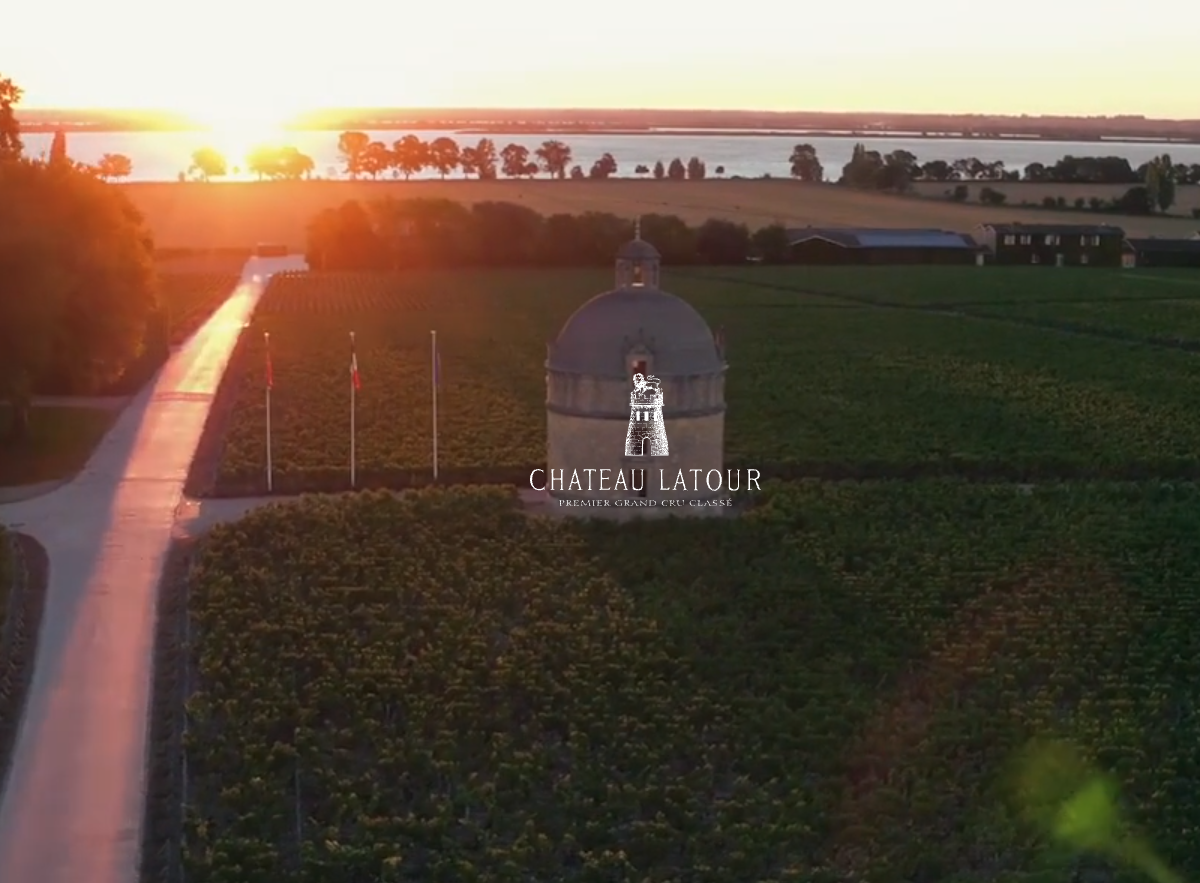
In September 2012, Frédéric Engerer — then president of Chateau Latour — announced that the estate would no longer participate in the Bordeaux En Primeur system. It was, at the time, the most significant departure from Bordeaux convention in living memory.
No other First Growth had done it. No estate of comparable standing had done it. And yet Latour, one of the five most important properties in the world, walked away from the system that had defined how Bordeaux is sold for the better part of a century.
More than a decade on, it is worth understanding exactly why they did it, what the decision changed, and why — for serious collectors — it has arguably strengthened Latour's position rather than weakened it.
What En Primeur Actually Is
En Primeur is the system by which Bordeaux châteaux release wines for sale approximately eighteen months after harvest, before they have been bottled. Buyers pay at the point of release and wait, sometimes for several years, for the wine to arrive. Merchants like Fine Wine Library buy allocations through La Place de Bordeaux and pass them to collectors.
The appeal for châteaux has historically been clear: guaranteed cashflow early in the wine's life, broad market exposure, and a way to distribute wine across a global network of merchants before a single bottle has been filled.
The appeal for collectors has also been real: access to the finest wines at the earliest prices, the widest selection of formats, and the security of a guaranteed allocation.
But the system has an inherent tension built into it. The wine being sold is a barrel sample — an educated estimate of what the finished wine will eventually become. Critics taste in the spring following harvest and assign scores. Those scores drive prices. And prices are set before the wine is complete.
Why Latour Walked Away
Engerer's stated reasoning was simple, and in hindsight, hard to argue with. Latour's wines need time. Real time — not the two or three years between release and delivery, but ten, fifteen, twenty years or more before the Grand Vin begins to show its full character.
Selling a wine that needs two decades in bottle at a price set by an eighteen-month-old barrel sample creates an inherent distortion. The wine being assessed is not the wine the collector will eventually drink. And the price being paid reflects the critic's projection of what that wine might become, rather than the certainty of what it is.
From Latour's perspective, this created a problem. Their wine — the one they had spent generations perfecting, investing in, and protecting — was being valued on incomplete information. And once released into the market, the estate had no further control over provenance, storage, or how the wine reached its eventual owner.
The solution was radical: hold the wine back entirely. Release it only when it is ready to drink — or at least approaching a point where it can be meaningfully assessed in bottle — and sell it directly into the market at that point.
What Changed After 2012
The practical consequences were significant. Latour's wines — from the 2012 vintage onwards — disappeared from the annual En Primeur campaign. Merchants who had historically received allocations found themselves without a Latour line to offer.
The first post-system release came in 2018, when Latour released the 2006 vintage. It was priced considerably higher than it would have been if sold en primeur back in 2008 — but it came with something that barrel samples cannot offer: certainty. The wine was in bottle, assessed in its finished state, and available with impeccable provenance direct from the château.
Subsequent releases have followed the same logic: wines are released when Latour judges them ready, typically ten to fifteen years after harvest. The 2012, 2013, and 2014 vintages were released together in 2021. The 2015 followed. More recently, the 2016 — widely considered one of the greatest Latours ever produced — was released in 2025, nearly a decade after harvest.
The Effect on Price and Collectability
The decision has not hurt Latour commercially. If anything, the opposite is true.
By controlling the timing of release, the estate has reframed how the market thinks about Latour. Rather than being one of five First Growths competing for attention during the spring En Primeur window, Latour now arrives on its own terms — announced, assessed, and available in a way that generates its own moment of market attention.
Secondary market prices for Latour have remained strong. The combination of finite supply, impeccable provenance (the estate can trace the full chain of custody for every bottle), and the cachet of a château that operates entirely outside Bordeaux's conventional rules has, if anything, increased the wine's mystique.
For collectors, the key implications are these. Latour is no longer available at release prices eighteen months after harvest. It arrives later, priced at what the market will bear at that point, with no early-access discount. But what you receive in exchange is a wine in bottle, with full provenance documentation, at or near a drinking window that has been validated by the estate itself.
What This Means if You Want to Buy Latour
Purchasing Latour today means buying released back vintages rather than futures. Fine Wine Library maintains access to Latour across a range of vintages — including recent releases from the Pinault era — all held in bond, excise duty free, with complete provenance.
For collectors building a serious Pauillac position, Latour's post-En Primeur releases represent a different kind of proposition from its peers. No early entry price, but no barrel-sample uncertainty either. You know what you are buying. You know where it has been. And you know it comes from one of the most precisely managed cellars in Bordeaux.
Whether that trade-off suits your collecting strategy depends on your time horizon and how much you value the certainty of a château-released, fully documented bottle over the early access that En Primeur provides.
For most serious collectors, the answer has been clear. Latour's secondary market tells you everything.
Explore Chateau Latour → Buy Chateau Latour wines
Understand En Primeur → The complete guide to Bordeaux En Primeur
Best Vintages → Best Vintages of Chateau Latour to Buy
Compare the First Growths → Bordeaux First Growths: the complete guide