
January 28, 2025
How to Store Bordeaux Wine for Ageing: The Complete Guide
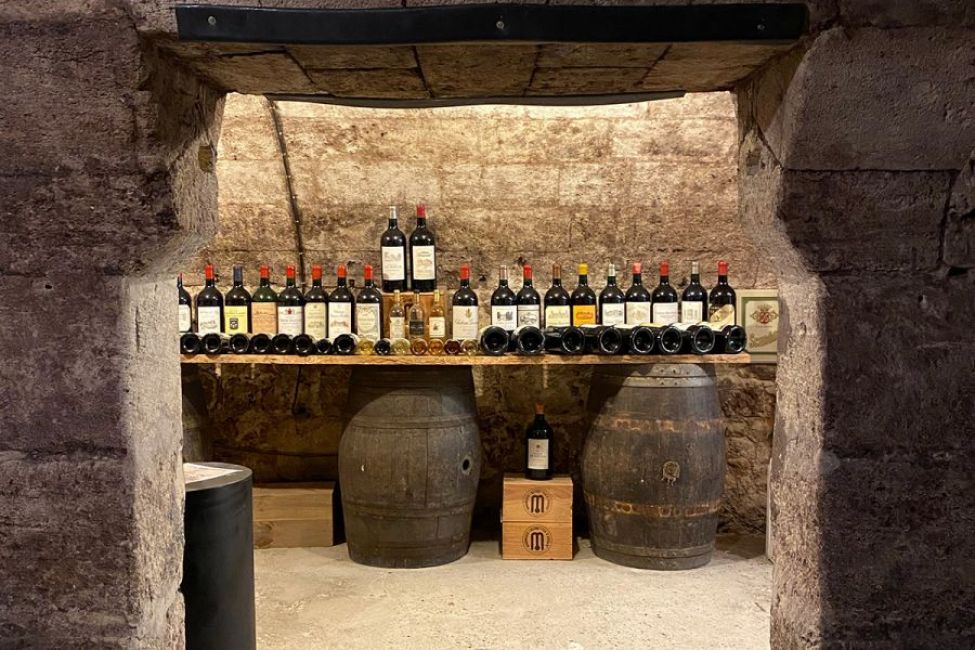
Category: Bordeaux, Fine Wine
Bordeaux is one of the few wines in the world that genuinely rewards patience. The finest reds — built on Cabernet Sauvignon, Merlot, and Cabernet Franc — are capable of ageing gracefully for decades, evolving from powerful, tannic youth into wines of extraordinary complexity and depth. But that evolution only happens under the right conditions. Store a great Bordeaux poorly and you undermine everything the winemaker has built into it. Store it well and you give it the chance to become something far greater than what you bought.
This guide covers everything you need to know about storing Bordeaux correctly, whether you are holding a case for five years or fifty.
Why Storage Conditions Matter for Bordeaux
Bordeaux's ageing potential depends on the slow, controlled development of tannins, fruit, and secondary characteristics over time. That process is chemical in nature and highly sensitive to its environment. Heat accelerates it, causing the wine to age too quickly and unevenly. Cold slows it too much. Fluctuating temperatures cause the liquid to expand and contract, stressing the cork seal and potentially allowing oxygen to seep in. Light — particularly ultraviolet — degrades aromatic compounds. Vibration disturbs the sediment that naturally forms as the wine ages and disrupts the settled chemical environment of the bottle.
None of these factors will ruin a bottle overnight, but they accumulate. A wine stored at inconsistent temperatures for ten years will be a shadow of what the same wine could have been. Given the price and potential of fine Bordeaux, the investment in proper storage pays for itself many times over.
Temperature
Consistency of temperature is the single most important storage variable. The ideal range for Bordeaux is between 12°C and 16°C (53°F to 61°F). What matters as much as the target temperature is stability: a cellar that holds a consistent 13°C year-round is far preferable to one that swings between 8°C in winter and 20°C in summer.
A dedicated wine fridge or climate-controlled cellar is the most reliable solution. Standard domestic refrigerators run too cold and cycle too frequently. Kitchens, utility rooms, and spaces near heating sources are all problematic. For collectors holding significant quantities of Bordeaux over the long term, professionally managed bonded storage — such as Fine Wine Library's wine storage service — offers climate-controlled conditions and the additional benefit of preserving provenance for future sale.
Humidity
A humidity level of 60–75% protects the cork from drying out. A dry cork can shrink and compromise the seal, allowing slow oxidation that gradually degrades the wine. Most purpose-built wine fridges and cellars maintain adequate humidity automatically. If you are using a natural cellar or a dry domestic space, a simple hygrometer confirms the conditions and a humidifier corrects any deficiency. Excessively high humidity above 80% risks mould growth on labels, which does not affect the wine but matters for resale value.
Light
Bordeaux's dark glass bottles provide some protection against light, but extended exposure — particularly to UV — remains a genuine threat to quality. UV radiation breaks down organic compounds in wine over time, accelerating premature ageing and stripping aromatic complexity. The ideal storage space is fully dark. Where natural or artificial light cannot be avoided entirely, UV-filtering glass or opaque cabinet storage provides adequate protection. This is particularly important for bottles that will be held for ten years or more.
Vibration
Vibration is the most overlooked storage variable and the most relevant for anyone storing wine near a busy road, a washing machine, or a refrigerator compressor. Sustained low-level vibration disrupts the slow chemical processes that drive ageing and disturbs the fine sediment that forms in the bottle over time. Wine racks should be on stable, flat surfaces away from regular vibration sources, and bottles should sit securely without any movement.
Bottle Position
Bordeaux, sealed with natural cork, should be stored horizontally. This keeps the cork in contact with the wine, preventing it from drying out and shrinking. The only exception is if you plan to open the bottle within a few weeks, in which case an upright position causes no meaningful harm. If standing the bottle upright before serving, give it 24–48 hours for any disturbed sediment to settle.
When to Open It
Storing well is only half the equation. Understanding when a Bordeaux is ready to drink — and not opening it too early or too late — determines whether you experience the wine at its best. Most classified Bordeaux wines peak somewhere between 10 and 25 years from the vintage, though First Growths and outstanding vintages from the very top estates can evolve for 40 years or more. The 2009 and 2010 vintages, for example, are only now entering their drinking windows for the top wines and will continue developing for decades. See our article on Bordeaux's legendary 2009 and 2010 vintages for context on how long these wines need.
Decanting before serving — to separate the wine from any sediment and allow it to breathe — is recommended for any Bordeaux with significant age. An hour in a decanter will open up a younger wine; an older bottle may need only 20–30 minutes.
Browse Bordeaux
See all available Bordeaux wines →
Related Reading
Bordeaux Left Bank vs Right Bank | Bordeaux wine regions guide | Bordeaux 2009 and 2010 | Bordeaux food pairing