
June 17, 2024
How to Store Dom Pérignon: Temperature, Position & Time
Category: Champagne, Dom Pérignon
Dom Pérignon is a wine built for time. Every vintage is the product of years of careful ageing in the cellars at Épernay before it reaches the market — and the best of them will continue to develop and reward for decades after release. To ensure that development happens on your terms rather than in spite of your storage conditions, it is worth understanding what Dom Pérignon needs and why. The principles are straightforward, but the consequences of getting them wrong — or right — are significant.
Why Storage Conditions Matter
Champagne is more sensitive to its environment than most wines. The pressurised bottle, the cork seal, and the delicate balance between the wine's acidity, fruit, and autolytic complexity are all subject to external influence. Temperature fluctuations cause the liquid to expand and contract, which stresses the cork and can allow air ingress over time. Light — particularly UV — degrades the wine's aromatic compounds and accelerates unwanted chemical reactions. Vibration disturbs the lees and disrupts the slow, settled ageing process. Poor storage does not ruin a bottle overnight, but it compromises it gradually, and with a wine like Dom Pérignon, every degree of compromise matters.
The goal is to recreate, as closely as possible, the conditions of a professional wine cellar: stable, cool, dark, slightly humid, and undisturbed.
Temperature
The single most important storage variable for Dom Pérignon is temperature — specifically, consistency of temperature. The ideal range is between 10°C and 13°C (50°F and 55°F). Within this range the wine ages slowly and steadily, developing complexity without oxidising prematurely. What matters as much as the target temperature is the absence of fluctuation: a cellar that sits at a consistent 12°C is significantly preferable to one that swings between 8°C and 18°C depending on the season.
A dedicated wine fridge or climate-controlled cellar is the most reliable solution for long-term storage. Domestic refrigerators run too cold, too dry, and with too many temperature cycles from repeated opening and closing. Kitchens, utility rooms, and spaces near boilers or heating appliances are all problematic for the same reason. If you are storing Dom Pérignon with genuine long-term intent — holding it through a second or even third Plénitude — professional bonded storage is worth serious consideration. Fine Wine Library offers a wine storage service for exactly this purpose.
Humidity
A humidity level of around 70% is ideal for storing Champagne. The practical concern is the cork: if the storage environment is too dry, the cork can dry out and shrink slightly, compromising the seal and allowing slow oxidation to occur. Most professional wine cellars and quality wine fridges maintain adequate humidity automatically. If storing in a natural cellar or a room that tends to run dry, a simple hygrometer will confirm the conditions, and a humidifier can correct any deficiency.
Light
Dom Pérignon's distinctive dark glass bottle is not an aesthetic choice — it is functional protection against the UV light that can prematurely age and damage the wine. Even so, extended exposure to light, whether natural or artificial, remains a risk. The ideal storage environment is fully dark, or at minimum heavily shielded. If your storage space has natural light exposure, the outer packaging or a dedicated wine cabinet with UV-protective glass will provide adequate protection.
Vibration
Vibration is the most overlooked storage variable, and one that becomes genuinely important for wines intended for long cellaring. Sustained low-level vibration — from a nearby washing machine, a busy road, a refrigerator compressor — disturbs the lees in the bottle and interferes with the slow chemical processes that drive ageing. The effect accumulates over time. Store Dom Pérignon away from any regular source of vibration, in stable racking that holds bottles securely without allowing them to roll or move.
Bottle Position
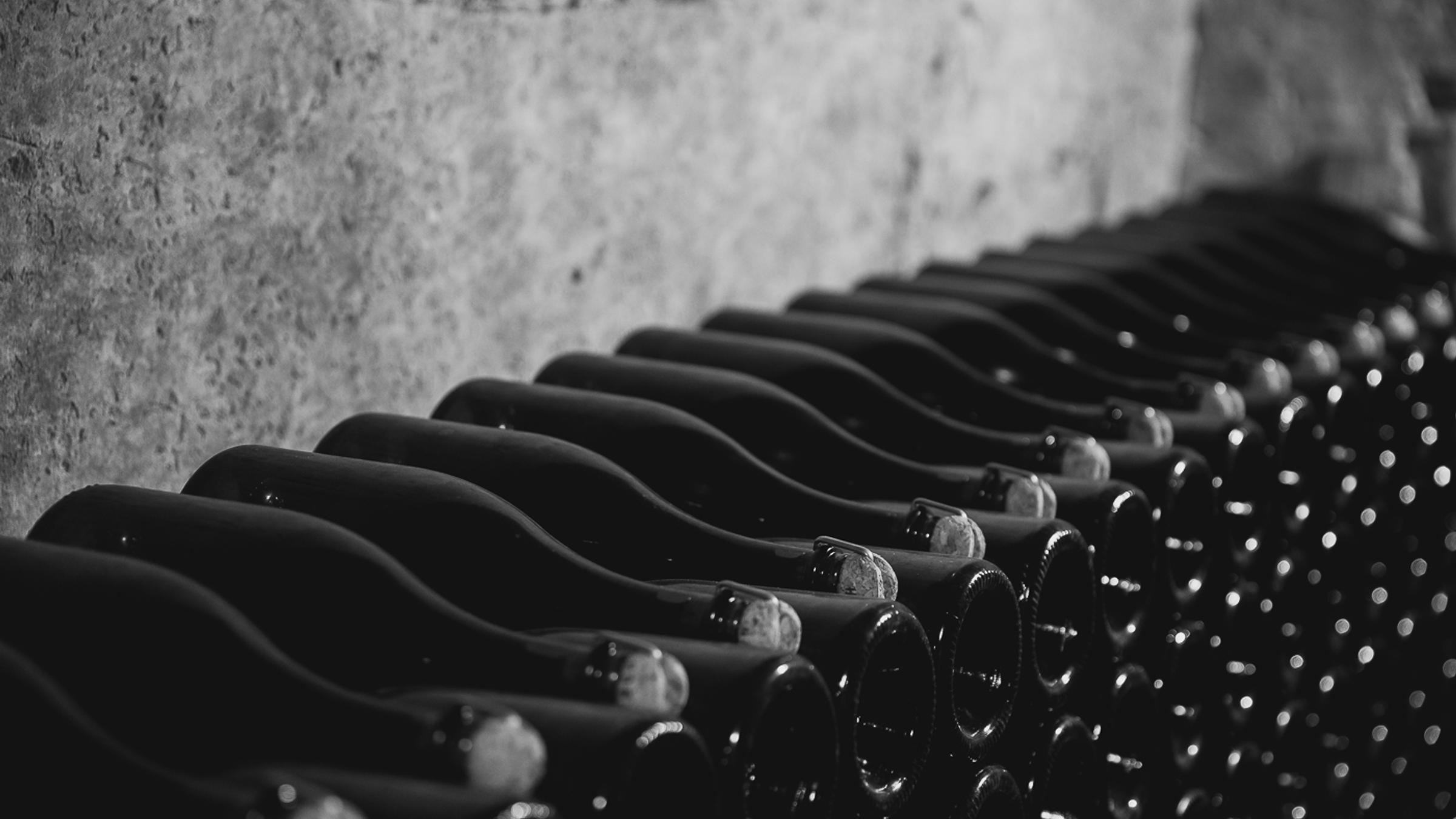
Dom Pérignon should be stored horizontally. Keeping the bottle on its side ensures the cork remains in contact with the wine, preventing it from drying out. This is the standard guidance for all cork-sealed wine, and it applies to Champagne just as to still wine. The exception is if you plan to open a bottle within a few weeks, in which case an upright position causes no meaningful harm.
Short-Term vs Long-Term Storage
If you are storing Dom Pérignon for consumption within the next few months, the basic conditions above are sufficient: cool, dark, horizontal, and away from vibration. Chill the bottle to the ideal serving temperature of 8°C to 10°C (46°F to 50°F) a few hours before opening — never in the freezer, and never rushed. For long-term storage over years or decades — which is how Dom Pérignon is best approached — the investment in a purpose-built environment pays dividends. Professional bonded storage also maintains provenance and adds value if you later choose to sell.
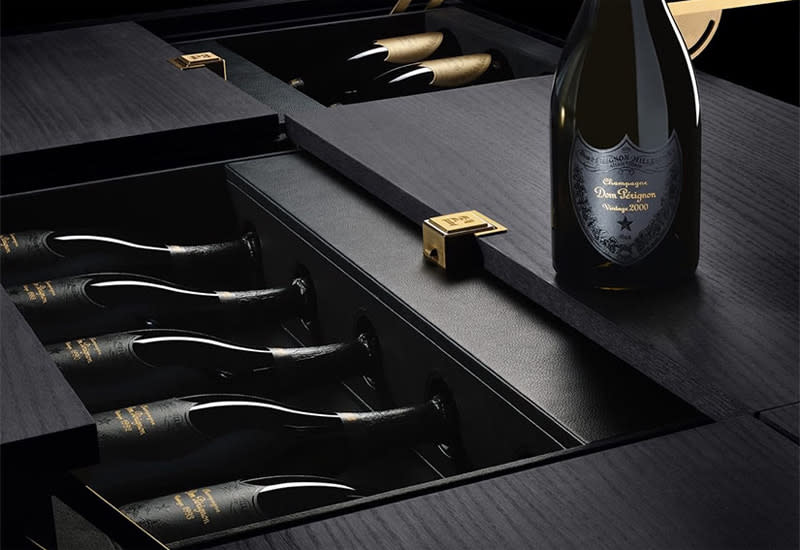
For guidance on which Dom Pérignon vintages are worth cellaring and for how long, see our comprehensive vintage guide and our article on the P2 and P3 Plénitude releases, which explain how extended ageing transforms the wine.
Buy Dom Pérignon
View all available Dom Pérignon vintages →
Related Reading
Dom Pérignon P2 and P3 explained | Dom Pérignon vintage guide | Dom Pérignon food pairing | Wine storage service
Newsletter Sign Up
Stay ahead of the curve. Our newsletter delivers the latest releases, trends, and special offers in the world of fine wine.
Latest releases | Trends & insights | Exclusive deals