
Bordeaux En Primeur Guide
The Complete Guide to Buying Bordeaux Wine Futures
Every spring, Bordeaux reveals its future.
Before the wines are bottled, before labels are printed, before the market fully forms an opinion, collectors and merchants taste the new vintage from barrel and make decisions that shape cellars for decades.
Bordeaux En Primeur is not simply an early buying opportunity. It is the foundation of long term Bordeaux collecting.
This guide explains how the system works, how pricing is determined, what risks exist, and how to approach En Primeur with clarity and strategy.
In This Guide
-
What Is Bordeaux En Primeur
-
Why Bordeaux Sells Wine En Primeur
-
How Bordeaux En Primeur Works
-
How Bordeaux En Primeur Pricing Is Determined
-
Is Bordeaux En Primeur Worth It?
-
En Primeur vs Buying After Release
-
Bordeaux En Primeur by Appellation
-
Bordeaux Vintage Reports
-
Building a Bordeaux Cellar Through En Primeur
What Is Bordeaux En Primeur?
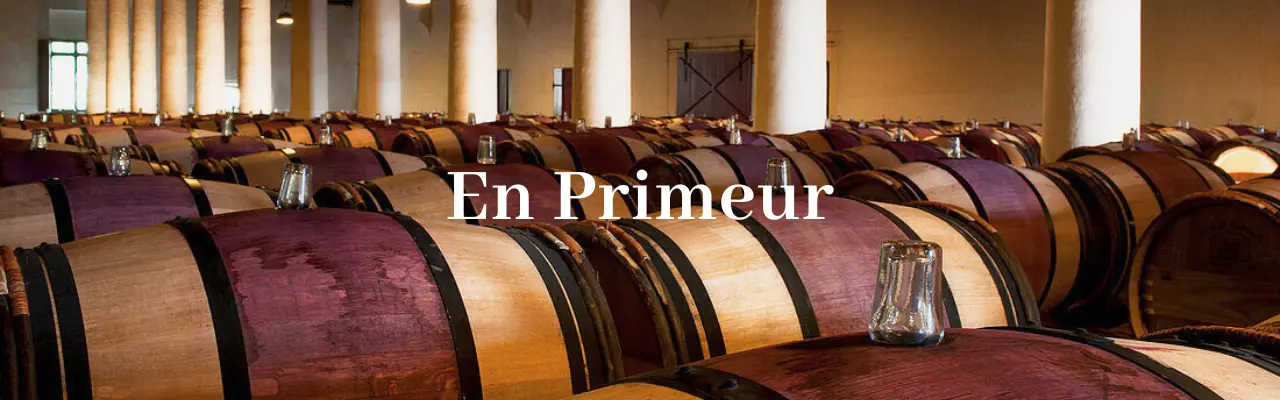
Bordeaux En Primeur, often referred to as wine futures, is the system through which chateaux sell their wines while they are still ageing in barrel, typically around 18 to 24 months before bottling.
Each April, the trade gathers in Bordeaux to taste barrel samples. These wines are unfinished, yet their structure, tannin profile, fruit concentration and balance already reveal the character of the vintage.
Buyers commit based on that assessment. Payment is made upfront. Delivery follows roughly two years later.
The system has existed for generations and remains central to Bordeaux’s commercial and cultural identity.
Why Does Bordeaux Sell Wine En Primeur?
At its heart, En Primeur is about partnership.
Historically, early sales provided chateaux with cash flow to fund vineyard work, barrel ageing and investment in quality. In return, merchants and collectors secured allocations of wines that would later become difficult to obtain.
Today, the dynamic is more global, yet the fundamentals remain.
En Primeur allows:
-
Early access to limited wines
-
Transparent release pricing relative to previous vintages
-
Direct provenance from chateau to bonded storage
For serious Bordeaux collectors, it is often the cleanest way to build verticals of leading estates.
How Bordeaux En Primeur Works
Understanding the rhythm of the campaign is essential.
Spring Barrel Tastings
In April, merchants, critics and négociants taste the new vintage across the Left and Right Bank. Wines are assessed in barrel, often from multiple lots, before final blending decisions are made.
This is where terroir speaks most clearly. Soil composition, drainage, vine age, canopy management and harvest decisions all show through in structure and aromatic profile.
A cool gravel soil in Pauillac will express itself very differently from clay rich slopes in Saint Emilion.
Critic Reviews and Market Reaction
Shortly after tastings, leading critics publish notes and scores. These reviews influence demand, particularly for the First Growths and top Right Bank estates.
The market then begins to position the vintage within historical context.
Chateau Releases
Chateaux release wines in tranches over a six to eight week campaign. Pricing reflects vintage quality, positioning against back vintages and overall market conditions.
For a deeper breakdown, see our guide to How Bordeaux En Primeur Pricing Works.
Bottling and Delivery
Wines continue ageing in barrels for around 18 months before bottling. Delivery typically takes place two years after purchase, either into bonded storage or direct shipment.
For the full harvest-to-delivery overview, read our Bordeaux En Primeur Timeline.
How Bordeaux En Primeur Pricing Is Determined
Pricing is rarely arbitrary. It is a careful balance between reputation, vintage character and market dynamics.
Vintage Quality
Structure, tannin refinement, acidity and ageing potential are assessed during barrel tastings. In structured, balanced vintages, confidence tends to be higher.
A year with precise tannin and vibrant acidity will be positioned differently to one defined by sheer ripeness.
Comparison to Back Vintages
Buyers constantly compare release prices to available mature vintages. If a new release is priced attractively relative to older stock, demand can build quickly.
Global Demand
Currency movements, demand from Asia and the United States, and overall sentiment in the fine wine market all play a role.
We explore this fully in our detailed guide to Bordeaux En Primeur Pricing.
Is Bordeaux En Primeur Worth It?
For some collectors, absolutely. For others, not always.
Why It Can Make Sense
-
Securing limited allocations early
-
Potential pricing advantage in strong vintages
-
Guaranteed provenance
The Considerations
-
Capital is committed for two years
-
Market prices can move
-
Barrel samples are not final wines
The key is alignment between your time horizon and your strategy.
For a balanced view, read Is Bordeaux En Primeur Worth It?
Bordeaux En Primeur Timeline
The campaign follows a consistent annual rhythm:
-
September to October, harvest
-
Winter, barrel ageing begins
-
April, trade tastings
-
May to June, price releases
-
Approximately two years later, bottling and delivery
Understanding this timeline helps set expectations and manage cash flow.
See our complete Bordeaux En Primeur Timeline Guide for full details.
Bordeaux En Primeur vs Buying After Release
Some collectors prefer to wait until wines are bottled and fully assessed.
Buying En Primeur
-
Early allocation
-
Potential pricing upside
-
Waiting period before delivery
Buying After Bottling
-
Finished wine to assess
-
Immediate availability
-
Often higher pricing if demand is strong
A disciplined Bordeaux cellar often includes both approaches.
Read our full comparison of Bordeaux En Primeur vs Buying After Release.
Bordeaux En Primeur by Appellation
Each appellation behaves differently during the campaign.
Pauillac
Gravel soils, Cabernet Sauvignon dominance, structure and longevity. Releases from Pauillac often anchor the campaign.
Explore our full Pauillac Guide.
Margaux
Aromatic precision, lifted perfume and refined tannins. Pricing can reflect critic enthusiasm and stylistic elegance.
Discover more in our Margaux Appellation Guide.
Saint Julien
Consistency and classical balance. Saint Julien frequently offers compelling value relative to neighbouring communes.
Read the Saint Julien Guide.
Saint Emilion and Pomerol
Clay and limestone soils, Merlot led blends, often smaller production and tightly allocated wines.
Learn more in our Saint Emilion Guide and Pomerol Guide.
Bordeaux Vintage Reports
Each year, we travel to Bordeaux during En Primeur week to taste extensively across the region.
Our vintage reports provide:
-
Overall vintage character
-
Appellation breakdowns
-
Standout wines
-
Buying strategy
Explore:
Building a Bordeaux Cellar Through En Primeur
For long-term collectors, En Primeur allows measured, strategic cellar building.
Balancing Left Bank structure with Right Bank richness, comparing release prices to back vintages, and layering purchases across years creates depth and flexibility.
If you are serious about Bordeaux, En Primeur is often the starting point.
See our guide to How to Build a Bordeaux Cellar for a structured approach.
Frequently Asked Questions
For detailed answers to common queries about pricing, delivery, storage and risk, visit our dedicated Bordeaux En Primeur FAQ page.