
March 19, 2024
Wine Connoisseur: Complete Guide to Fine Wine Expertise
Category: Fine Wine, Collecting
A wine connoisseur is not defined by how much they know, but by how seriously they engage with what is in the glass. The term covers a wide spectrum — from collectors building serious cellars of Bordeaux and Champagne to enthusiasts who simply approach wine with curiosity and attention. What they share is a commitment to developing their understanding over time, and an appreciation for the difference that provenance, vintage, and winemaking make to what ends up in the bottle.
This guide covers the practical steps involved in building that understanding — from developing a palate to storage, education, and the social side of wine appreciation.
Developing Your Palate
Everything starts here. No amount of reading or education substitutes for regular, attentive tasting. The palate develops through repetition and comparison: tasting the same appellation across different vintages, the same grape variety from different producers, the same producer across different years. With each tasting, your ability to identify specific characteristics — the acidity of Riesling, the tannin structure of a Left Bank Bordeaux, the minerality of a Chablis premier cru — becomes more reliable and more nuanced.
The most valuable habit you can develop early is taking notes. Recording your impressions of each wine — the aroma, the flavour, the finish, and your overall reaction — creates a reference point that memory alone cannot sustain. Over time these notes become a personal record of your developing palate and a genuinely useful guide when buying.
Education and Certification
Formal education is not essential, but it accelerates the process considerably. Programmes such as WSET (Wine & Spirit Education Trust) and the Court of Master Sommeliers offer structured curricula that cover viticulture, vinification, regional geography, tasting technique, and service. The WSET Level 2 and 3 are widely respected as practical foundations for serious enthusiasts; the Level 4 Diploma is a demanding qualification that approaches the expertise of a working professional.
Alongside formal study, visiting wine regions — tasting with producers, walking vineyards, understanding the relationship between landscape and wine — adds a dimension that coursework alone cannot fully replicate. Even a single well-organised visit to Bordeaux, Burgundy, or Tuscany will change how you read a label and how you think about what's in the glass.
Understanding Regions and Grape Varieties
A serious connoisseur needs a working knowledge of the world's major wine regions and the grape varieties associated with them. This is not about memorising facts but about building a framework for understanding why wines taste the way they do. The gravelly soils of the Médoc and their relationship to Cabernet Sauvignon. The chalk of the Côte des Blancs and its influence on Chardonnay in Champagne. The clay of Pomerol and what it does to Merlot. Tuscany's hillside microclimates and the character they give to Sangiovese.
Each region's wines make more sense when you understand the conditions in which they are grown. The geography, the soils, the climate — these are the foundations of the flavours in the glass, and understanding them is what separates a connoisseur from someone who simply has a preference.
Tasting Systematically
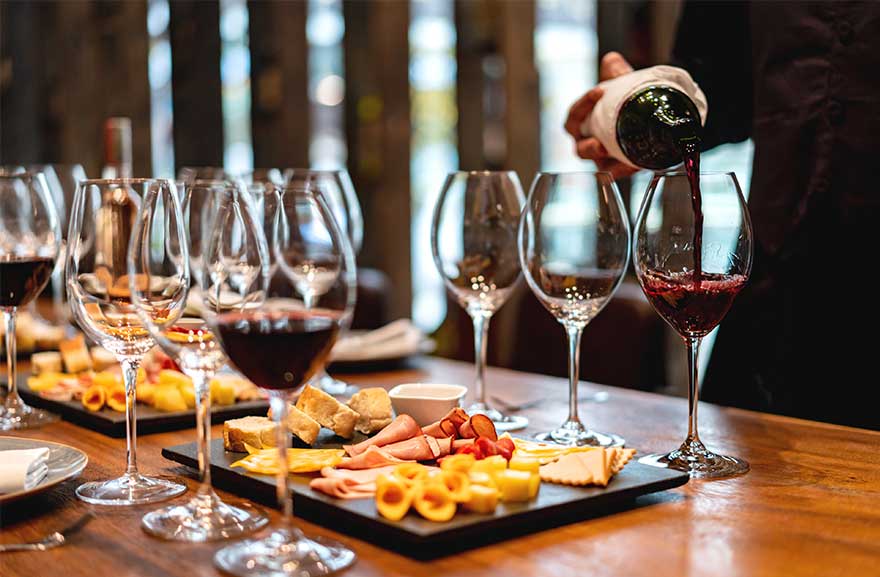
One of the most useful skills to develop is the ability to taste wine systematically rather than impressionistically. A structured approach — assessing appearance, nose, and palate in sequence, considering fruit character, acidity, tannin, alcohol, and finish — ensures that you engage with the whole wine rather than fixating on the most immediately obvious elements. Most formal tasting systems use a grid of some kind, and while the specifics vary, the discipline of working through a wine methodically trains the palate and sharpens the vocabulary for describing it.
This is not about being clinical or losing pleasure in the process. Systematic tasting and genuine enjoyment are entirely compatible. The structure simply gives you a reliable way to understand what you are experiencing.
Collecting and Storing Wine
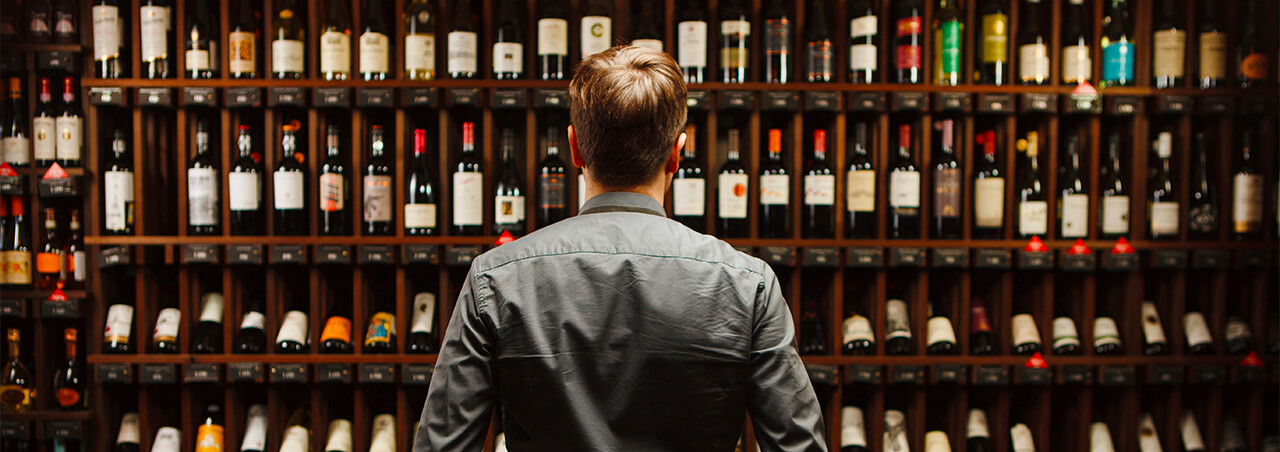
Many connoisseurs are also collectors, and the two activities reinforce each other. Collecting well requires understanding which wines age — typically those with the tannin, acidity, and structure to develop over time — and which are best enjoyed young. The great Bordeaux châteaux, the finest Champagne vintage houses, the leading estates of Tuscany — these are the wines that reward patience and improve meaningfully in the bottle.
Proper storage is non-negotiable for a serious collection. Temperature consistency, darkness, humidity, and freedom from vibration all affect the long-term development of a wine. A dedicated wine fridge or professional bonded storage is the most reliable solution. Fine Wine Library offers a wine storage service for collectors who want professional-grade conditions without the need for a private cellar.
Wine Pairing
Understanding how wine interacts with food is a skill that develops naturally alongside the palate. At its most basic, the principle is to match the weight and intensity of the wine to the weight and intensity of the dish. Cabernet Sauvignon with red meat; Chardonnay with richer fish or poultry; Sauternes with foie gras or blue cheese. As your palate develops, these intuitions become more refined and the pleasure of a genuinely well-matched pairing becomes one of the defining rewards of wine knowledge.
The Social Side of Wine
Wine is fundamentally a shared experience, and some of the most valuable learning happens in company. Wine clubs and tasting groups offer regular access to a range of bottles that would be difficult to assemble alone, and the discipline of tasting and discussing a wine with others sharpens your own vocabulary and perception. Hosting tastings — whether informal dinners centred around a theme or more structured comparative sessions — is among the most enjoyable ways to deepen your knowledge and share your enthusiasm.
Explore Fine Wine
Browse our full fine wine collection →
Related Reading
What is a fine wine? | How to start collecting | Browse Bordeaux | Browse Champagne
Newsletter Sign Up
Do you like collecting fine wine?
Then stay ahead of the curve. Our newsletter delivers the latest releases, trends, and special offers in the world of fine wine.
Latest releases | Trends & insights | Exclusive deals