
June 20, 2024
Barossa Shiraz: Why It's Different & The Best Bottles to Buy
Category: Australia, Fine Wine
Barossa Valley Shiraz is one of the most recognisable and consistently celebrated wine styles in the world. Produced from some of the oldest Shiraz vines still in production — many dating back to the mid-19th century — and shaped by a warm Mediterranean climate and richly varied soils, it occupies a position in the fine wine hierarchy that no other Australian region has managed to challenge. This is not a wine that trades in subtlety. It announces itself — in the glass, on the nose, and on the palate — with a confidence that reflects the character of the land it comes from.
The Terroir of Barossa Valley
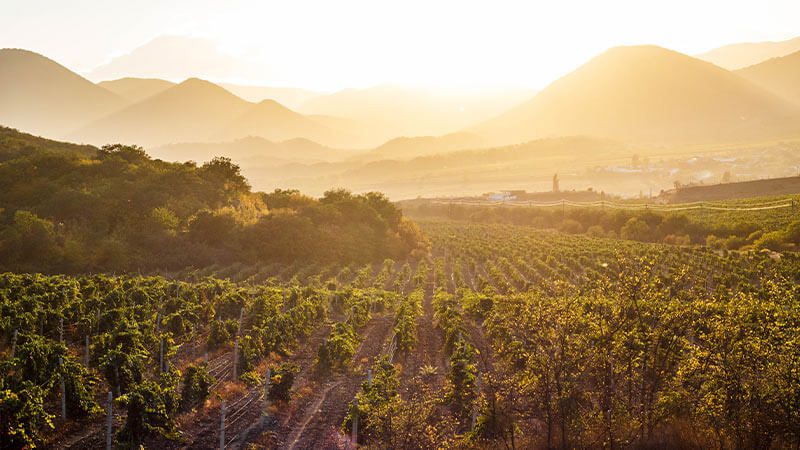
The Barossa Valley sits in South Australia about 60 kilometres northeast of Adelaide, sheltered by ranges to the north and east and warmed by a climate that is genuinely Mediterranean in character: hot, dry summers with low rainfall, mild winters, and significant day-to-night temperature variation. That diurnal shift is important — the warm days drive sugar accumulation and fruit ripeness, while the cool nights preserve acidity and aromatic freshness, giving Barossa Shiraz more balance than its rich, concentrated profile might suggest.
The soils are remarkably varied for a single valley. The valley floor features deep, fertile red-brown earths and clay loams that produce wines of considerable richness and weight, while the higher elevation sub-regions — Eden Valley to the east, the Barossa Ranges to the west — have lighter, sandier, or more stony soils that yield wines with more finesse, structure, and restraint. This diversity explains why Barossa Shiraz encompasses such a range of styles, from the densely concentrated and opulent to the more elegant and structured expressions of the hills.
Vine age also plays a significant role. The Barossa is home to some of the oldest dry-grown Shiraz vines in the world — unpruned old bush vines, many over a century old, that produce tiny quantities of extraordinarily concentrated fruit. These old vine parcels are among the most prized in Australian wine and form the backbone of the region's most prestigious expressions.
Winemaking: Tradition and Technique
The dominant approach to making premium Barossa Shiraz combines respect for traditional methods with careful technical management. Open-top fermenters are widely used, allowing for manual pump-overs and punch-downs that enhance colour extraction and flavour development. Extended maceration — leaving the wine in contact with skins after fermentation — is common in the finest productions, building depth of colour, tannin, and aromatic complexity.
Oak ageing is a defining element of the style. Both American and French oak are used across the region's producers, and the choice of each imparts distinct characteristics. American oak contributes vanilla, coconut, and sweet spice notes that have historically been associated with Barossa's warmer, more hedonistic style; French oak adds subtler toast, cedar, and mineral qualities that tend toward greater elegance. The balance and duration of oak ageing — typically 16 to 18 months in fine examples — is one of the key winemaking variables that separates the exceptional from the merely very good.

Tasting Profile
Barossa Shiraz at its finest presents a deep, inky purple colour of real intensity. The nose is aromatic and expressive: primary dark fruit — blackberry, plum, black cherry — layered with secondary oak-derived notes of vanilla, mocha, cedar, and sweet spice. With bottle age, tertiary aromas emerge: leather, tobacco, earth, and game, giving mature examples a complexity that rivals any red wine in the world.
On the palate, the wine is full-bodied and richly textured, with flavours of dark fruit, chocolate, espresso, and black pepper. The tannins in quality examples are ripe and velvety rather than harsh, providing structural support without aggression, and the acidity is sufficient to provide freshness and the ability to age. The finish is long and persistent — in great examples, evolving in the glass for minutes after swallowing.
Notable Producers
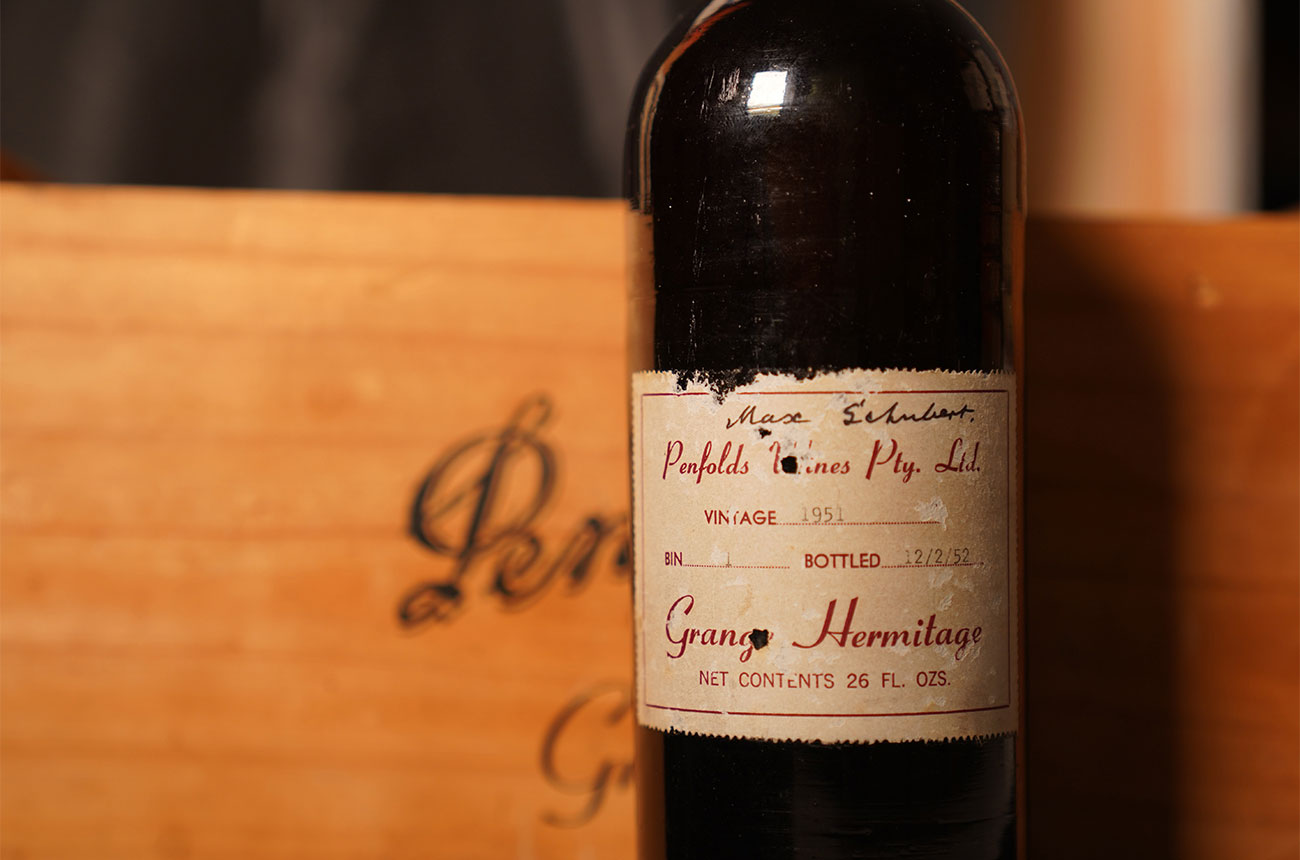
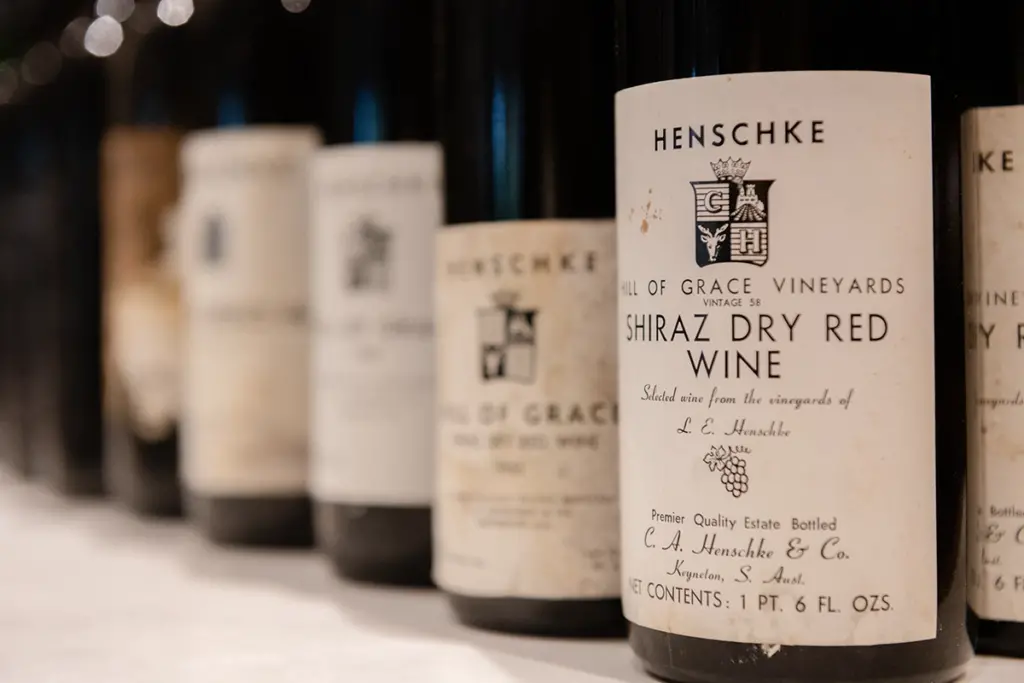
Penfolds is the most famous name in Barossa Shiraz, and its flagship Grange — sourced from across South Australia but historically anchored in Barossa fruit — is one of Australia's most celebrated wines: powerful, complex, and capable of ageing for half a century or more. Henschke's Hill of Grace, a single-vineyard wine from Eden Valley vines planted in the 1860s, is considered by many to be the finest expression of old-vine Shiraz in Australia.
Glaetzer produces the Amon-Ra, one of the most concentrated and critically acclaimed Barossa Shirazes available, sourced from old vines in Ebenezer and consistently celebrated for its power and depth. Standish Wine Co focuses on single-vineyard expressions that show the more precise, terroir-driven face of old-vine Barossa. Torbreck, with its The Laird, represents the opulent, hedonistic end of the Barossa spectrum at its most complete.
Browse Barossa Valley
View all available Barossa Valley wines →
Related Reading
Glaetzer Amon-Ra Shiraz: a deep dive | Browse all Australian wines