
May 23, 2024
Dom Pérignon P2 & P3 Explained: Is the Price Worth It?
Category: Champagne, Dom Pérignon
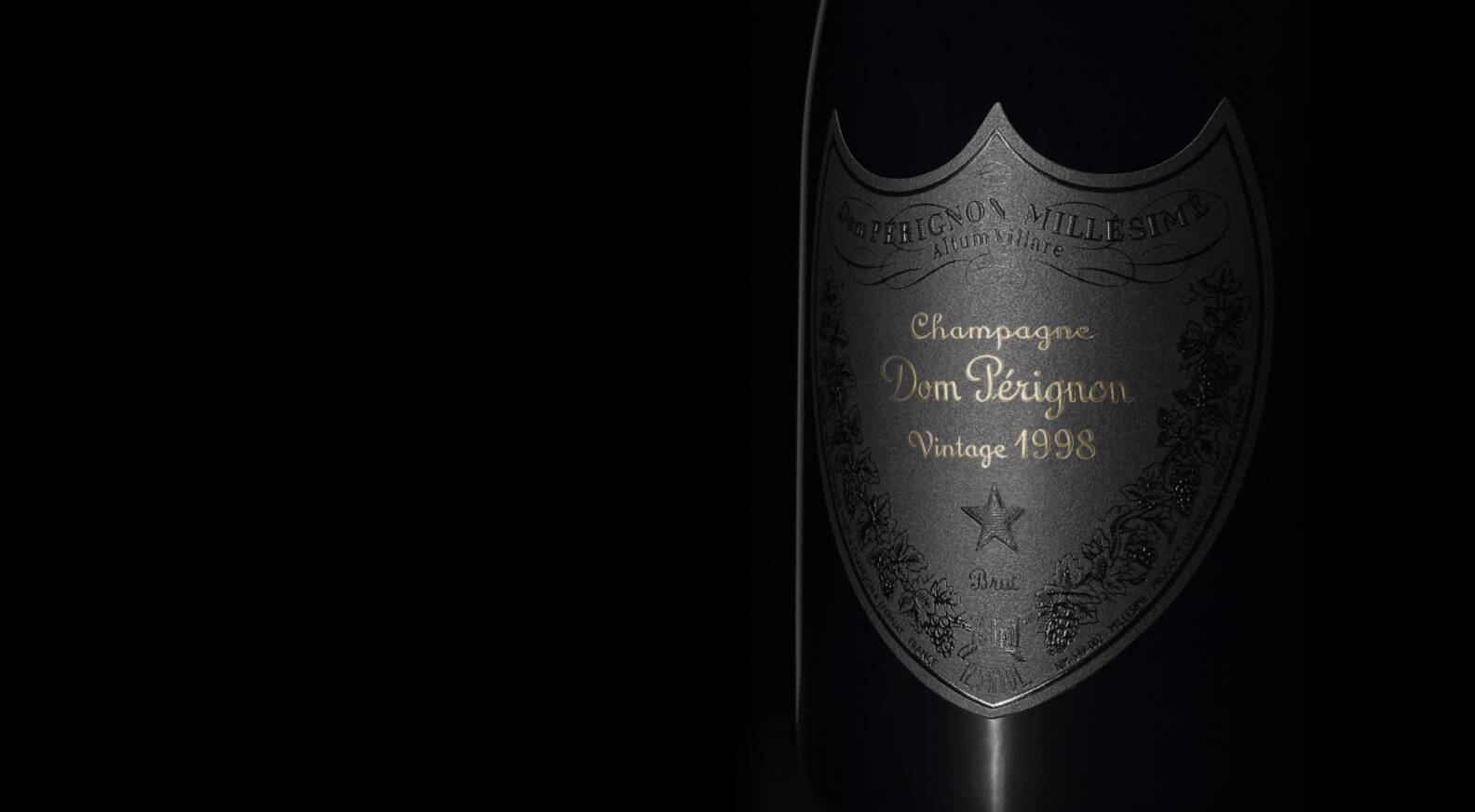
Most Dom Pérignon drinkers are familiar with the standard vintage release — a Champagne that already represents the pinnacle of the house's craft. What fewer people know is that Dom Pérignon keeps a portion of each vintage in its cellars and releases it again, years or even decades later, at a different stage of its evolution. These later releases are known as the Plénitudes: P2 and P3. They are not simply older versions of the same wine. They are genuinely different expressions of it — wines that have passed through a second or third peak of complexity, unlocking dimensions that were not accessible in the first release. For collectors and enthusiasts serious about fine Champagne, understanding the Plénitude series is essential.
What Is the Plénitude Concept?
The philosophy behind the Plénitude series is rooted in a simple observation: great Champagne does not evolve in a straight line. After disgorgement, a vintage passes through distinct windows of peak expression — moments when its elements are in particular harmony and its character is most fully realised. Dom Pérignon identifies these windows as Plénitudes, and the Plénitude series exists to release the wine at the second and third of them, after further ageing on the lees in the cellars at Épernay.
The approach reflects total confidence in the underlying quality of the base wine. Only vintages with the structure and depth to sustain decades of further development are selected for P2 and P3 release. The series is, in that sense, a declaration of faith in the vintage — and in the transformative power of time.
Dom Pérignon P2: The Second Plénitude
The P2, or Second Plénitude, is aged for a minimum of 15 years before release. This extended period on the lees — the residual yeast left in the bottle after fermentation — imparts a layered richness and energy that distinguishes P2 clearly from the first release of the same vintage. Where the initial bottling might show primary fruit and fresh citrus, the P2 reveals a more complex, evolved character: deeper, more savoury, and more textured, yet with a vibrancy that the additional time seems to amplify rather than diminish.
On the nose, P2 typically shows ripe stone fruit, citrus zest, brioche, and almond, with hints of hazelnut and toasted nut as the wine opens in the glass. The palate is expansive and dynamic, with a tension between richness and acidity that gives the wine remarkable energy. It is simultaneously more intense and more harmonious than the same vintage tasted at first release — a wine that has found a deeper version of itself.
For a specific example of P2 at its finest, see our dedicated article on Dom Pérignon P2 2006, which earned 98 points from Antonio Galloni and 19/20 from Jancis Robinson.
Dom Pérignon P3: The Third Plénitude
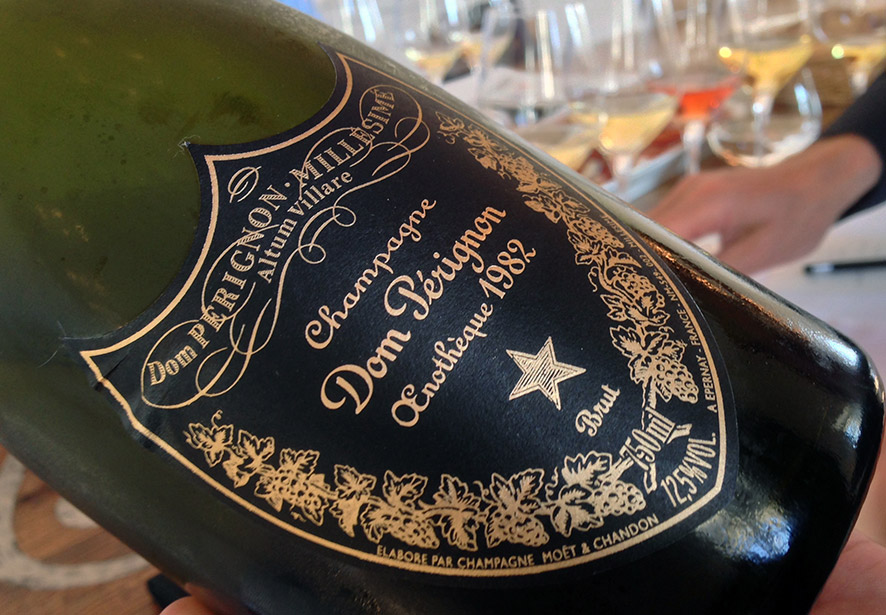
The P3, or Third Plénitude, is among the rarest wines in the world of Champagne. Released after a minimum of 25 years on the lees, it represents Dom Pérignon taken to its absolute limit of development — a wine of extraordinary maturity, depth, and aromatic complexity that can only be achieved through patience on a scale very few producers attempt.
The experience of opening a P3 is categorically different from any younger Champagne. The effervescence is delicate and persistent, the colour a deep luminous gold. On the nose, the primary fruit character of the original vintage has long since given way to layers of dried fruit, toasted nuts, honey, beeswax, and a subtle smokiness that takes time to fully reveal itself. On the palate, the wine is rich, full-bodied, and exceptionally complex — caramel, dried fig, truffle, and a pronounced minerality weave together in a profile that evolves continuously over hours in the glass.
P3 is produced in extremely small quantities. Demand from collectors and fine wine enthusiasts consistently outstrips what is available, and allocations are limited to a handful of the most prestigious retailers worldwide. For those who can access it, the experience is without parallel in the world of sparkling wine.
The Role of Lees Ageing
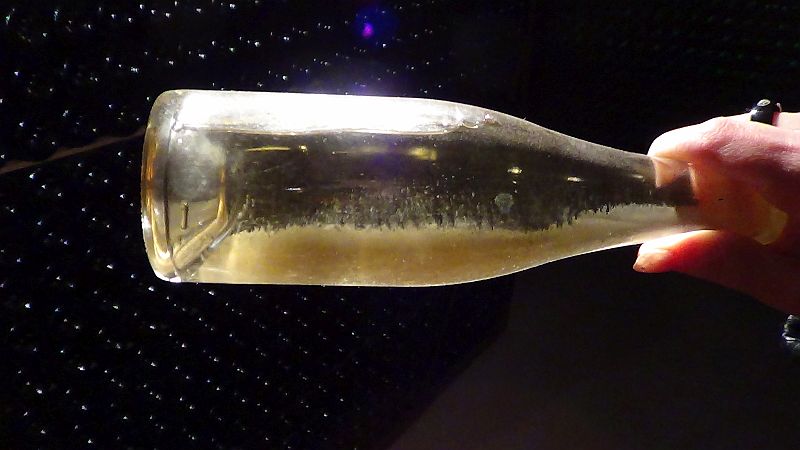
The defining technical element in the Plénitude series is extended contact with the lees — the dead yeast cells that remain in the bottle after secondary fermentation. Over time, these cells break down in a process called autolysis, releasing compounds that add complexity, texture, and depth to the wine. It is this process that produces the characteristic brioche, almond, and toasted nut notes associated with aged Champagne, and it is what distinguishes the Plénitude wines so clearly from the first release.
The length and conditions of lees ageing are carefully managed by the Chef de Cave and the Dom Pérignon winemaking team, who monitor each vintage's development over the years to determine the precise moment of each Plénitude. The result is not a formula but a judgement — an assessment of when the wine has reached a genuine peak rather than simply accumulated age.
Which Vintages Are Available as P2 or P3?
Not every Dom Pérignon vintage is released as a P2 or P3. Only vintages with the requisite structure, depth, and ageing potential are retained for the Plénitude programme. The current P2 release is the 2006, which has been met with outstanding critical acclaim. P3 releases are rarer still and appear infrequently on the market.
For a full overview of Dom Pérignon vintages and their individual characters, see our comprehensive vintage guide.
Buy Dom Pérignon
View all available Dom Pérignon vintages →
Related Reading
Dom Pérignon P2 2006 — 98 points from Vinous | Dom Pérignon vintage guide | Dom Pérignon food pairing | How to store Dom Pérignon