
February 22, 2024
What Is Fine Wine? The Definition, Regions & What to Buy
Category: Fine Wine, Collecting
When we started in the wine industry, fine wine was explained to us as something that cost €25 or more per bottle. That definition is a loose generalisation at best, and price alone is a poor guide. The term means something different to everyone, but for us it means something specific enough that we named our company after it. Here is what fine wine means to us.
Browse our fine wine selection →
A Sense of Place
The most remarkable quality of a truly fine wine is its ability to capture the unique character of where it comes from. In French this is called terroir — the combination of soil, climate, topography, and microclimate that makes one vineyard fundamentally different from another, even a short distance away. With each pour of a great wine, you can taste the mineral richness of a Chablis premier cru, the warmth of a Tuscany hillside, or the particular freshness that the Cape Doctor wind brings to Stellenbosch. Wines that express their terroir with clarity and conviction are, almost without exception, the wines worth talking about.
Balance
Fine wine must be in balance. Its various components — acidity, tannin, alcohol, and fruit — should complement and support one another rather than any single element dominating at the expense of the rest. When a wine is truly balanced, the result is a smooth, complete mouthfeel that makes it easy to drink without feeling simple. An imbalanced wine, by contrast, announces itself immediately: too acidic, too tannic, too alcoholic, or too sweet. The best winemakers spend their careers in pursuit of balance, and when they achieve it, you feel it instantly.
Complexity
Fine wine is complex — not in a complicated, intellectual sense, but in the sense that it reveals itself gradually rather than all at once. On first pour it might show one set of aromas and flavours; as it breathes, new dimensions emerge. Fruit gives way to secondary notes shaped by the winemaking — the influence of oak, fermentation technique, lees ageing — and then to tertiary aromas that develop only with time in the bottle: truffle, leather, dried flowers, mushroom, toast. A great wine keeps evolving in the glass over the course of an evening, and a great bottle keeps evolving over the course of decades.
Emotion
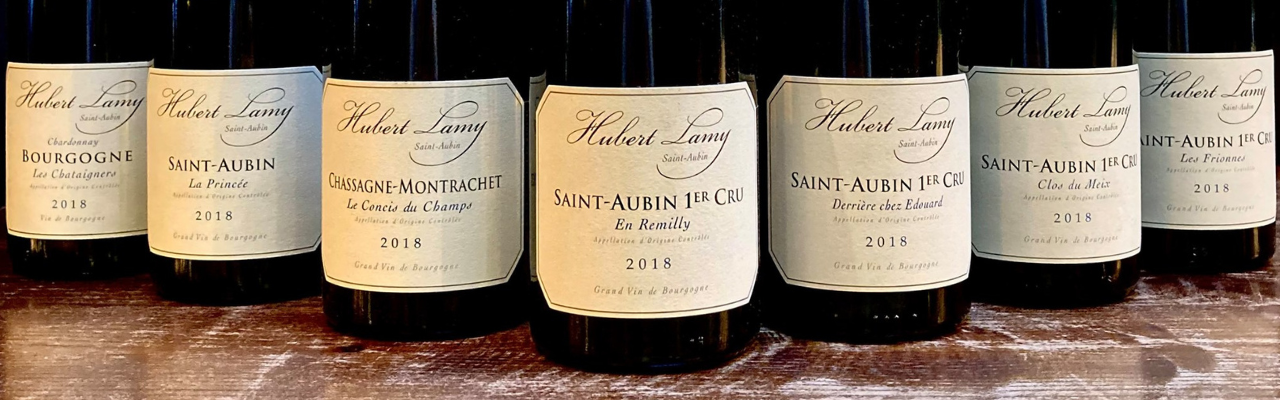
There are wines that exceed language. On a visit to a Burgundy producer, we tasted Montrachet Grand Cru from barrel and found ourselves genuinely speechless. The winemaker, noticing, asked what we thought. We said we couldn't find the words. He smiled and asked: "How do you describe a vibration?" That moment has stayed with us. Fine wine at its most complete reaches beyond flavour into something harder to name — a sense of connection to a place, a moment, an act of craft that took years to arrive at. That quality is not measurable, but it is unmistakable when you encounter it.
Evolution
Fine wine is always changing. As it ages in the bottle, its flavours develop and deepen in ways that a younger version of the same wine simply cannot offer. Once opened, a great bottle will taste one way on the first pour and something noticeably different an hour later. This evolution — in the bottle over years and in the glass over minutes — is part of what makes drinking fine wine such an active experience rather than a passive one. The wine is never quite finished with you.
The Desire to Share It
Fine wine is almost always a shared experience. The excitement of choosing a bottle for a dinner, presenting it to friends, watching their reaction — this social dimension is inseparable from what makes certain wines special. The bottles that people talk about, that become the centrepiece of an evening, that prompt someone to reach for their phone to take a note or a photograph — those are fine wines, whatever they cost.
Rarity and prestige matter too, but they are not the whole story. Young and ambitious winemakers with no famous appellation behind them sometimes produce wines that stop conversations. The quality of fine wine does not always depend on its heritage. What it always depends on is the combination of place, craft, and intention that produces something genuinely worth drinking slowly.
Explore Fine Wine
Browse our full fine wine collection → | Bordeaux | Champagne | Tuscany
Related Reading
How to become a wine connoisseur | How to start collecting fine wine
Stay ahead of the curve. Our newsletter delivers the latest releases, trends, and special offers in the world of fine wine.
Latest releases | Trends & insights | Exclusive deals